Table of Contents
ToggleInside the World of General Surgery Instruments: Essential Tools, Advanced Techniques, and Expert Insights
In the intricate world of surgery, the quality and precision of surgical instruments can mean the difference between success and complication. From the earliest scalpels to today’s advanced, handcrafted tools, surgical instruments have evolved to meet the ever-increasing demands of medical professionals worldwide. This comprehensive guide delves into the essential types of surgical instruments, their applications, the craftsmanship behind them, and the innovations that are shaping the future of surgery.
What Are Surgical Instruments?
Surgical instruments are specialized tools used by surgeons and medical professionals to perform a wide range of procedures, from minor incisions to complex organ transplants. These instruments are designed for specific tasks such as cutting, dissecting, grasping, holding, retracting, and suturing tissues.
Why Precision, Durability, and Feel Matter
Three core qualities define the best surgical instruments:
Precision: Enables surgeons to perform delicate and intricate procedures with confidence.
Durability: Ensures longevity through repeated sterilizations and rigorous use.
Feel: Provides ergonomic comfort and tactile feedback, making instruments an extension of the surgeon’s hand.
Handcrafted instruments, such as those made in Eskilstuna, Sweden, are renowned for their unique feel, exceptional control, and life expectancy, setting the standard for surgical excellence.
Key Categories of Surgical Instruments
Surgical instruments are broadly classified based on their function:
| Category | Examples | Primary Use |
|---|---|---|
| Cutting & Dissecting | Scalpels, scissors, saws | Incision and tissue separation |
| Grasping & Holding | Forceps, clamps | Holding tissues or objects |
| Hemostatic | Hemostats, artery forceps | Controlling bleeding |
| Retracting | Retractors (handheld, self-retaining) | Exposing surgical sites |
| Tissue Unifying | Needle holders, staplers | Suturing and tissue closure |
| Specialty | Laryngoscopes, probes, dissectors, endoscopes | Specialized tasks |
Detailed Overview of Common Surgical Instruments
1. Cutting & Dissecting Instruments
Scalpels:
- Used for making precise incisions.
- Types: Disposable, reusable, safe, electric, and laser scalpels.
- Common blade sizes: No. 10, 11, 15, 22.
Scissors:
- Used for cutting tissues, sutures, and dressings.
- Types: Operating, bandage, Mayo, Metzenbaum.
- Shapes: Straight, curved, blunt, sharp.
2. Grasping & Holding Instruments
Forceps:
- Used to grasp and hold tissues or objects.
- Types: Tissue, dressing, hemostatic, obstetric, splinter.
- Locking vs. non-locking designs.
3. Hemostatic Instruments
Hemostats:
- Clamp blood vessels to control bleeding.
- Available in straight and curved forms.
4. Retracting Instruments
Retractors:
- Hold back tissues or organs for better visibility.
- Types: Hand-held, self-retaining, table-mounted.
- Examples: Adson, Alm, Weitlaner, and Army-Navy retractors.
5. Tissue Unifying Instruments
Needle Holders:
- Hold and guide needles during suturing.
- Essential for wound closure.
Surgical Staplers:
- Join tissues or close incisions quickly using staples.
6. Specialty Instruments
Trocars & Cannulas: Create access for minimally invasive procedures.
Endoscopes & Laparoscopes: Visual examination of internal organs.
Speculums, dilators, and biopsy punches: Used for specialized access and sampling.
40 Common Surgical Instruments and Their Uses
| Instrument | Use |
|---|---|
| Scalpel | Making precise incisions |
| Forceps | Grasping and holding tissues |
| Hemostat | Clamping blood vessels |
| Scissors | Cutting tissues and sutures |
| Retractor | Holding back tissues |
| Needle Holder | Holding needles for suturing |
| Surgical Stapler | Closing incisions with staples |
| Suture Scissors | Cutting sutures |
| Trocar | Creating access for laparoscopic surgery |
| Rongeur | Removing bone or tissue |
| Sponge Forceps | Handling sponges and gauze |
| Curette | Scraping or debriding tissues |
| Tissue Dissectors | Separating tissues |
| Bone Saw | Cutting bone |
| Retractable Knife | Controlled incisions |
| Clip Applier | Applying surgical clips |
| Bone Clamp | Stabilizing fractured bones |
| Surgical Drill | Creating holes in bones |
| Cautery Pen | Sealing blood vessels with heat |
| Speculum | Opening body orifices |
| Biopsy Punch | Taking tissue samples |
| Vascular Clamp | Occluding blood vessels |
| Towel Clamp | Securing drapes or towels |
| Dilator | Expanding narrow structures |
| Retinal Scissors | Eye surgery dissection |
| Ligature Carrier | Passing sutures around vessels |
| Suction Tube | Aspirating fluids |
| Retinal Forceps | Handling delicate eye tissues |
| Anoscope | Examining the anus or rectum |
| Bone Mallet | Impacting bone implants |
| Cystoscope | Examining the bladder or urinary tract |
| Cryotherapy Probe | Freezing abnormal tissues |
| Laparoscope | Abdominal cavity examination |
| Dermal Curette | Removing skin lesions |
| Nerve Hook | Manipulating nerves |
| Grasper | Holding tissues during laparoscopy |
| Ligating Clip | Closing blood vessels or ducts |
| Thoracic Trocar | Access to the chest cavity |
| Uterine Sound | Measuring uterus depth |
| Endoscope | Examining body cavities |
Materials and Craftsmanship: The Heart of Quality
Why Material Matters
Stainless Steel: Most surgical instruments are forged from high-grade stainless steel, renowned for its corrosion resistance, strength, and ability to withstand repeated sterilization.
Titanium: Used for lightweight and non-magnetic properties, especially in delicate or specialty instruments.
Plastic & Composite: Used in disposable instruments for cost-effectiveness and sterility.
The Art of Handcrafting
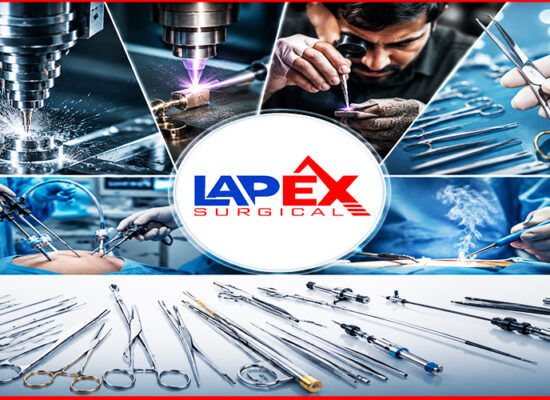
Handcrafted instruments, such as those produced in Eskilstuna, Sweden, undergo a meticulous process that transforms raw steel rods into finished tools. Each stage—shaping, hardening, grinding, polishing, and assembly—is performed by skilled artisans, ensuring unmatched precision and a unique tactile feel.
Key Benefits of Handcrafted Instruments:
- Superior balance and control
- Exceptional durability and longevity
- A natural extension of the surgeon’s hand
Innovations in Surgical Instruments
Minimally Invasive Tools: Trocars, cannulas, and laparoscopes have revolutionized surgery by enabling smaller incisions, faster recovery, and reduced complications.
Safety Scalpel Designs: Retractable blades and safety sheaths reduce accidental injuries.
Electric and Laser Scalpel Technology: Allow for simultaneous cutting and cauterization, reducing bleeding and improving healing times.
Advanced Materials: The use of German and US surgical stainless steel enhances instrument lifespan and performance.
Choosing the Right Surgical Instruments
Factors to Consider
Procedure Type: Match the instrument type and size to the specific surgery.
Material Quality: Opt for high-grade stainless steel or titanium for durability.
Ergonomics: Instruments should provide comfort and reduce fatigue during long procedures.
Sterility: Ensure instruments can be easily cleaned and sterilized.
Example: General Surgery Instrument Set
| Instrument Type | Typical Instruments Included |
|---|---|
| Cutting & Dissecting | Scalpels, scissors, dissecting forceps |
| Grasping & Holding | Forceps, clamps, hemostats |
| Retracting | Handheld and self-retaining retractors |
| Suturing & Stapling | Needle holders, tissue forceps, staplers |
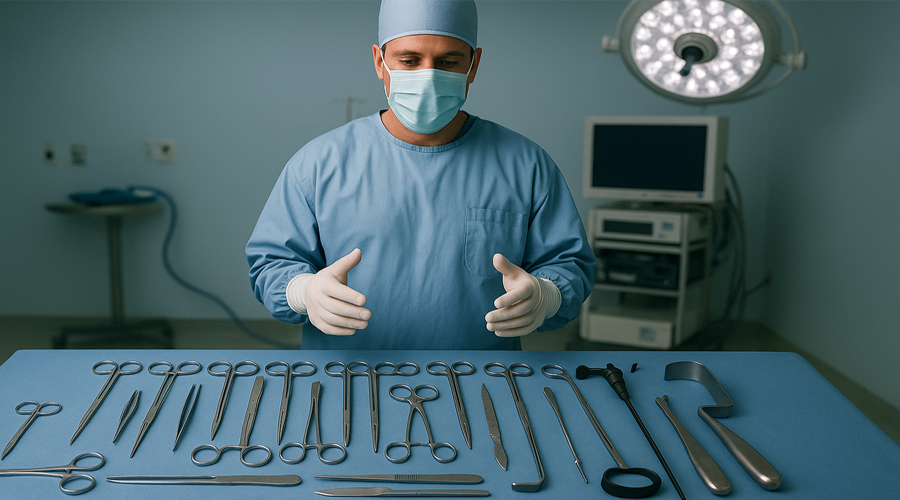
| Specialty | Probes, laryngoscopes, and sterilizing baskets |
Care, Sterilization, and Maintenance
Proper care is vital for maintaining instrument performance and patient safety.
Best Practices:
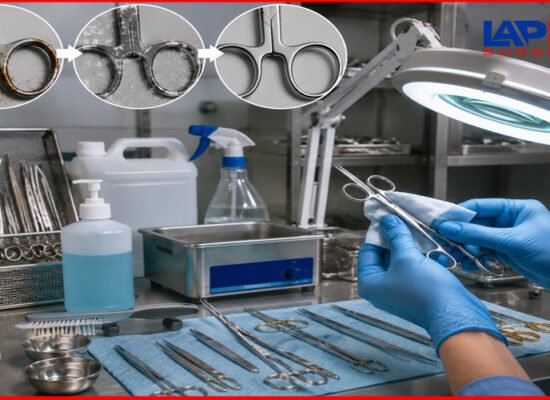
- Clean instruments immediately after use to prevent residue buildup.
- Use approved sterilization methods (autoclaving, chemical sterilants).
- Inspect regularly for signs of wear, corrosion, or damage.
- Store in dry, organized trays to prevent damage.
Frequently Asked Questions (FAQ)
What are the most essential surgical instruments?
The most essential instruments include scalpels, forceps, scissors, retractors, hemostats, and needle holders. These tools form the backbone of most surgical procedures and are indispensable in any operating room.
How do I choose between disposable and reusable instruments?
Disposable instruments are ideal for minor procedures and when sterility is paramount. Reusable instruments are preferred for complex surgeries due to their durability and cost-effectiveness over time.
What is the difference between German and US surgical stainless steel?
Both are high-quality, but German steel is often prized for its hardness and edge retention, while US steel is known for its corrosion resistance and flexibility. The choice depends on the specific requirements of the procedure and user preference.
How often should surgical instruments be replaced?
Replacement depends on usage, maintenance, and material quality. Regular inspection for wear and damage is crucial. High-quality, well-maintained instruments can last for many years.
Why is ergonomic design important in surgical instruments?
Ergonomic instruments reduce surgeon fatigue, enhance precision, and decrease the risk of repetitive strain injuries, especially during lengthy procedures.
The evolution of surgical instruments reflects the relentless pursuit of precision, safety, and innovation in medicine. Whether handcrafted in the tradition of Swedish artisans or engineered with the latest technology, the best instruments empower surgeons to achieve optimal outcomes for their patients. By understanding the types, uses, materials, and care of surgical instruments, medical professionals can ensure excellence in every procedure.
Ready to experience the difference that precision, durability, and craftsmanship make? Explore our range of surgical instruments and equip your practice with tools designed for excellence.
👉 For more information, feel free to contact the Lapex Surgical support team.