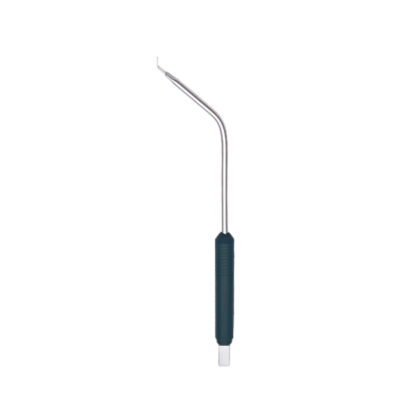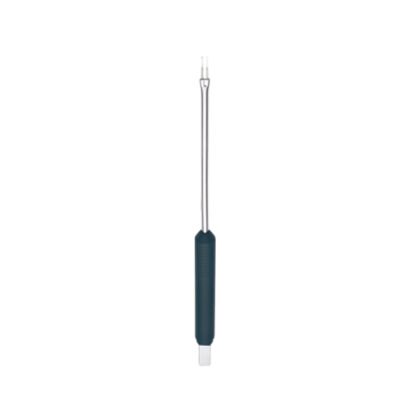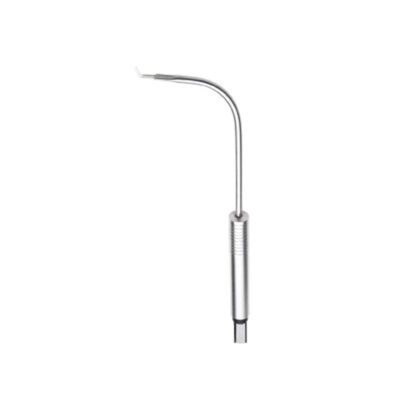
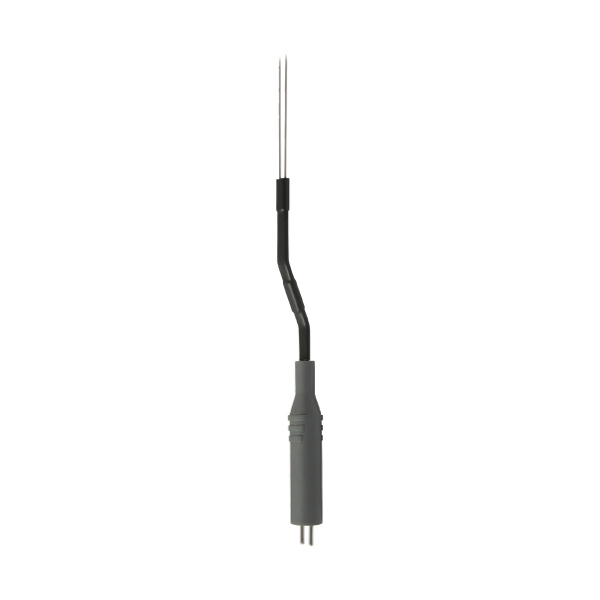
BI-TURBINATE PROBE LX-2196
Login to view price
BI-TURBINATE PROBE LX-2196
The BI-TURBINATE PROBE LX-2196 is a specialized bipolar electrosurgical instrument designed specifically for the precise coagulation and reduction of nasal turbinates. This probe provides Otolaryngologists (ENT surgeons) with a safe, controlled, and effective method for treating enlarged turbinates, a common cause of nasal obstruction. Utilizing advanced bipolar technology, the BI-TURBINATE PROBE LX-2196 delivers energy directly to the turbinate tissue to achieve shrinkage with minimal thermal spread to the surrounding delicate nasal mucosa. It offers long-term value and reliability in ENT practices as a reusable instrument.
Enlarged nasal turbinates can significantly impact a patient’s breathing and quality of life. Surgical intervention, often involving electrosurgical reduction, is a standard treatment. The LX-2196 probe is engineered to facilitate this procedure, allowing for targeted coagulation to reduce turbinate volume while preserving essential nasal function and minimizing post-operative complications.
Bipolar Coagulation for Precise Turbinate Reduction
The BI-TURBINATE PROBE LX-2196’s core application is bipolar coagulation to reduce nasal turbinates. By delivering bipolar electrosurgical energy directly to the turbinate tissue, the probe achieves controlled desiccation and shrinkage. This method provides excellent hemostasis, which is particularly beneficial in the turbinate vascular tissue, minimizing bleeding during and after the procedure.
The precise nature of bipolar coagulation means energy is confined between the probe tips, limiting thermal spread to the superficial mucosa and deeper structures, which is crucial for preserving nasal function and promoting faster healing.
Probe Design for Nasal Access
The BI-TURBINATE PROBE LX-2196 is designed as a slender probe, specifically shaped and sized for safe and efficient insertion into the nasal cavity and access to the turbinates. The configuration of the probe tip is tailored to allow for controlled contact with the turbinate tissue, facilitating accurate application of bipolar energy.
This probe design ensures that the instrument can be maneuvered effectively within the limited space of the nasal cavity, enabling the surgeon to target specific areas of the turbinate for coagulation while maintaining visualization and control.
Precise and Controlled Tissue Effect
Bipolar technology inherent in the BI-TURBINATE PROBE LX-2196 allows for a highly precise and controlled tissue effect on the turbinates. Surgeons can meticulously apply energy to achieve the desired level of tissue shrinkage without excessive damage to the overlying mucosa or underlying bone. This controlled approach helps maintain the natural function of the turbinates while effectively addressing the obstruction caused by their enlargement.
The localized energy delivery ensures that coagulation is confined to the intended treatment area, reducing the risk of crusting, synechiae, or other complications associated with less precise methods.
Durable, Reusable Construction
The BI-TURBINATE PROBE LX-2196 is constructed from high-quality, medical-grade materials designed for long-term durability and repeated use in clinical settings. This typically includes surgical-grade metal for the probe tip and shaft, ensuring reliable energy delivery and resistance to corrosion, and robust, heat-resistant insulation on the shaft and handle. These materials are capable of withstanding the rigorous processes of medical cleaning and sterilization, such as steam autoclaving.
The reusability of the BI-TURBINATE PROBE LX-2196 makes it a cost-effective and sustainable choice for ENT practices, providing reliable performance across numerous turbinate reduction procedures when properly maintained and sterilized.
Bipolar Functionality and Safety
Operating within a bipolar electrosurgical circuit, the LX-2196 requires a compatible bipolar cable to connect to an electrosurgical unit (ESU). Bipolar technology eliminates the need for a patient return electrode (grounding pad), as the current path is confined to the tissue between the probe tips. This significantly enhances patient safety, particularly relevant for procedures in the head and neck region, by reducing the risk of unintended burns at distant sites.
The insulated shaft of the probe further contributes to safety by ensuring that electrosurgical energy is delivered solely through the working tip contacting the turbinate tissue.
Model LX-2196: A Specialized Tool for ENT
The LX-2196 model number identifies this specific configuration of the BI-TURBINATE PROBE. This designation ensures consistency in the instrument’s design, including its shape, size, tip configuration, and material specifications, tailored specifically for the precise bipolar coagulation of nasal turbinates. Choosing the LX-2196 means equipping your ENT surgical team with a reliable, specialized tool engineered to provide controlled tissue reduction and effective management of nasal obstruction with the safety benefits of bipolar technology.
For more information, feel free to contact the Lapex Surgical support team.