Table of Contents
TogglePrecision Meets Artistry in Plastic Surgery
Plastic surgery is a field where precision, artistry, and innovation converge to deliver transformative results. Whether it’s reconstructive procedures to restore function or aesthetic surgeries to enhance appearance, the tools used by plastic surgeons play a pivotal role in achieving success.
As we step into 2025, advancements in instrument design and technology have elevated the standards of plastic surgery, enabling surgeons to perform with unparalleled accuracy and efficiency. This article will explore the top 7 must-have instruments for plastic surgeons in 2025, including skin hooks, needle holders, scissors, and more. These tools are essential for delivering exceptional outcomes while ensuring patient safety and satisfaction.
Skin Hooks – The Key to Gentle Tissue Handling
What Are Skin Hooks?
Skin hooks are small, curved instruments with sharp or blunt tips used to retract and hold delicate tissues during plastic surgery. They provide access to surgical sites without causing significant trauma to surrounding structures.
Why Are They Essential?
In plastic surgery, preserving tissue integrity is critical for optimal healing and aesthetic results. Skin hooks allow surgeons to manipulate tissues gently, minimizing damage and scarring.
Key Features to Look For:
Blunt Tips: Reduce the risk of puncturing delicate tissues.
Ergonomic Design: Ensures comfort during prolonged use.
Reusable Options: Cost-effective and environmentally friendly.
Best Use Cases:
- Retracting skin flaps during face-lifts or breast reconstruction.
- Holding tissues during scar revision procedures.
Pro Tip:
Use multiple skin hooks in combination to achieve precise tension and control during complex surgeries.
Needle Holders – Precision in Suturing
What Are Needle Holders?
Needle holders, also known as needle drivers, are specialized instruments used to grip and guide suturing needles during plastic surgery. They ensure the accurate placement of stitches, which is crucial for achieving seamless closures.
Why Are They Essential?
Suturing is a fundamental aspect of plastic surgery, and needle holders enable surgeons to work with precision, especially in hard-to-reach areas. Proper suturing minimizes scarring and enhances the overall aesthetic outcome.
Key Features to Look For:
Locking Mechanism: Keeps the needle securely in place during use.
Fine Jaws: Provides a better grip on small needles.
Lightweight Design Reduces hand fatigue during long procedures.
Best Use Cases:
- Closing incisions after rhinoplasty (nose surgery).
- Repairing tissues during liposuction or abdominoplasty.
Pro Tip:
Choose needle holders with tungsten carbide inserts for enhanced durability and grip.
Scissors – Cutting with Control and Accuracy
What Are Surgical Scissors?
Surgical scissors are versatile cutting tools used in plastic surgery for tasks like dissecting tissues, trimming sutures, or removing excess skin. They come in straight, curved, or blunt-tipped designs to suit different needs.
Why Are They Essential?
Scissors are indispensable for achieving clean cuts and precise dissections. Their sharp blades and fine tips allow surgeons to work in tight spaces without damaging surrounding tissues.
Key Features to Look For:
Sharp Blades: Ensure clean cuts without tearing tissue.
Rotating Handles: Allow for greater maneuverability during complex procedures.
Anti-Stick Coating: Prevents tissue from adhering to the blades.
Best Use Cases:
- Trimming excess skin during blepharoplasty (eyelid surgery).
- Dissecting adhesions during reconstructive procedures.
Pro Tip:
Opt for curved scissors when working in confined areas, as they provide better access and control.
Forceps – Versatile Tools for Grasping and Manipulating
What Are Forceps?
Forceps are handheld instruments used to grasp, hold, or manipulate tissues, organs, or surgical materials. In plastic surgery, they are commonly used for handling delicate tissues or sutures.
Why Are They Essential?
Forceps are the “hands” of the surgeon inside the body. They allow for the precise handling of tissues, sutures, and other materials, making them indispensable for nearly every procedure.
Key Features to Look For:
Non-Slip Grip: Enhances control during delicate tasks.
Fine Tips: Provide better accuracy for small structures.
Anti-Corrosion Coating: Ensures longevity and hygiene.
Best Use Cases:
- Grasping tissues during liposuction or fat grafting.
- Assisted in suturing or tying knots during reconstructive surgeries.
Pro Tip:
Choose atraumatic forceps when working with delicate tissues to minimize damage.
Scalpels – The Precision Blade for Incisions
What Are Scalpels?
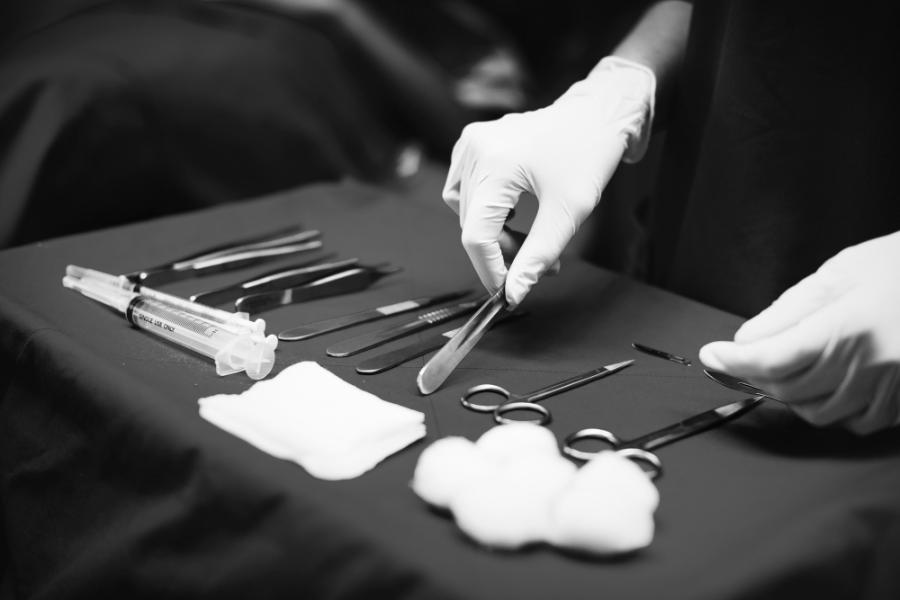
Scalpels are small, sharp-bladed instruments used for making precise incisions during plastic surgery. They come in various sizes and blade shapes to suit different procedures.
Why Are They Essential?
The scalpel is the cornerstone of any surgical procedure. It allows surgeons to make clean, controlled incisions that heal with minimal scarring—a critical factor in plastic surgery.
Key Features to Look For:
Sharpness: Ensures clean cuts without tearing tissue.
Ergonomic Handle: Provides comfort and control during use.
Disposable Options: Reduce the risk of cross-contamination.
Best Use Cases:
- Making initial incisions during rhinoplasty or breast augmentation.
- Delicate dissections in facial or reconstructive surgeries.
Pro Tip:
Use stainless steel handles for reusable scalpels and ensure blades are replaced after each use for hygiene and safety.
Tissue Scissors – Specialized Tools for Delicate Work
What Are Tissue Scissors?
Tissue scissors are designed specifically for cutting soft tissues with minimal trauma. They often have rounded tips to prevent accidental injury to surrounding structures.
Why Are They Essential?
In plastic surgery, preserving tissue integrity is paramount. Tissue scissors allow surgeons to cut precisely while minimizing damage to adjacent tissues.
Key Features to Look For:
Rounded Tips: Prevent accidental punctures or tears.
Fine Blades: Ideal for delicate procedures like eyelid surgery.
Autoclavable Materials: Ensure easy sterilization and reuse.
Best Use Cases:
- Trimming excess tissue during earlobe repair.
- Refining incision lines during scar revision.
Pro Tip:
Use smaller tissue scissors for intricate work, such as facial or hand surgeries.
Electrocautery Devices – Minimizing Bleeding and Scarring
What Are Electrocautery Devices?
Electrocautery devices use electrical currents to cut tissues and seal blood vessels simultaneously. They are widely used in plastic surgery to minimize bleeding and improve precision.
Why Are They Essential?
Electrocautery devices reduce blood loss and create cleaner surgical fields, which is particularly important in aesthetic procedures where scarring must be minimized.
Key Features to Look For:
Adjustable Power Settings: Allow for customization based on tissue type.
Insulated Tips: Prevent unintended burns to surrounding tissues.
Compact Design: Ideal for minimally invasive procedures.
Best Use Cases:
- Sealing blood vessels during breast reduction surgery.
- Refining incision edges during tummy tucks.
Pro Tip:
Always use bipolar electrocautery for delicate tissues to avoid collateral damage.
Why Quality Matters: Choosing the Right Instruments
Investing in high-quality plastic surgery instruments is not just about performance—it’s about ensuring patient safety and achieving optimal outcomes. When selecting tools, always look for:
ISO Certifications: Guarantee compliance with international standards.
Material Quality: Stainless steel is preferred for its durability and resistance to corrosion.
Reputation of Supplier: Partner with trusted manufacturers like Lapex Surgical to ensure reliability and support.
Elevate Your Practice with the Right Tools
The right set of instruments can make all the difference in the success of a plastic surgery procedure. These tools empower surgeons to perform with precision, confidence, and artistry, from skin hooks and needle holders to scalpels and electrocautery devices. By investing in high-quality instruments and staying updated on the latest advancements, you can elevate your practice and deliver exceptional care to your patients.
Ready to upgrade your surgical toolkit? Explore our range of premium plastic surgery instruments at Lapex Surgical and take the first step toward surgical excellence today!