Table of Contents
ToggleGeneral Surgery Instruments: The Backbone of Every Successful Surgery
General surgery remains one of the most critical branches of medicine, addressing a wide range of conditions from appendicitis to hernia repair and emergency trauma care. Essential instruments that enable surgeons to perform with precision, efficiency, and safety are at the heart of every successful surgical procedure.
As we enter 2025, advancements in medical technology and design continue to enhance the performance and durability of these tools, making them indispensable for modern operating rooms. Whether you’re a surgeon, procurement manager, or healthcare provider, understanding the must-have general surgery instruments is key to ensuring optimal patient outcomes.
In this article, we’ll explore the top essential general surgery instruments for operating rooms in 2025, including scalpels, retractors, clamps, and more. We’ll also discuss why each tool is vital, what to look for when purchasing, and how they contribute to surgical success.
1. Scalpels – The Precision Blade for Cutting and Dissection
What Are Scalpels?
Scalpels are small, sharp-bladed instruments used for cutting tissues during surgery. They come in various sizes and blade shapes to suit different procedures.
Why Are They Essential?
The scalpel is the cornerstone of any surgical procedure. It’s used for making incisions, dissecting tissues, and creating access points for deeper exploration. Without a reliable scalpel, even the simplest surgeries could become challenging.
Key Features to Look For:
Sharpness: Ensures clean cuts without tearing tissue.
Ergonomic Handle: Provides comfort and control during use.
Disposable Options: Reduce the risk of cross-contamination.
Best Use Cases:
Making initial incisions in abdominal surgeries.
Delicate dissections in plastic or reconstructive surgeries.
Pro Tip:
Choose stainless steel handles for reusable scalpels and ensure blades are replaced after each use for hygiene and safety.
2. Retractors – Maximizing Visibility and Access
What Are Retractors?
Retractors are tools used to hold back tissues, organs, or skin, providing surgeons with a clear view of the surgical site. They come in handheld or self-retaining designs.
Why Are They Essential?
Good visibility is crucial for safe and effective surgery. Retractors help keep vital structures out of the way while protecting surrounding tissues from damage.
Key Features to Look For:
Adjustable Design: Allows for customized positioning.
Smooth Edges: Prevents trauma to delicate tissues.
Durability: Stainless steel retractors are preferred for their longevity.
Best Use Cases:
Holding back muscles during orthopedic surgeries.
Exposing the abdominal cavity in exploratory procedures.
Pro Tip:
For prolonged surgeries, opt for self-retaining retractors to free up assistants and improve efficiency.
3. Surgical Clamps – Controlling Blood Flow and Securing Tissues
What Are Surgical Clamps?
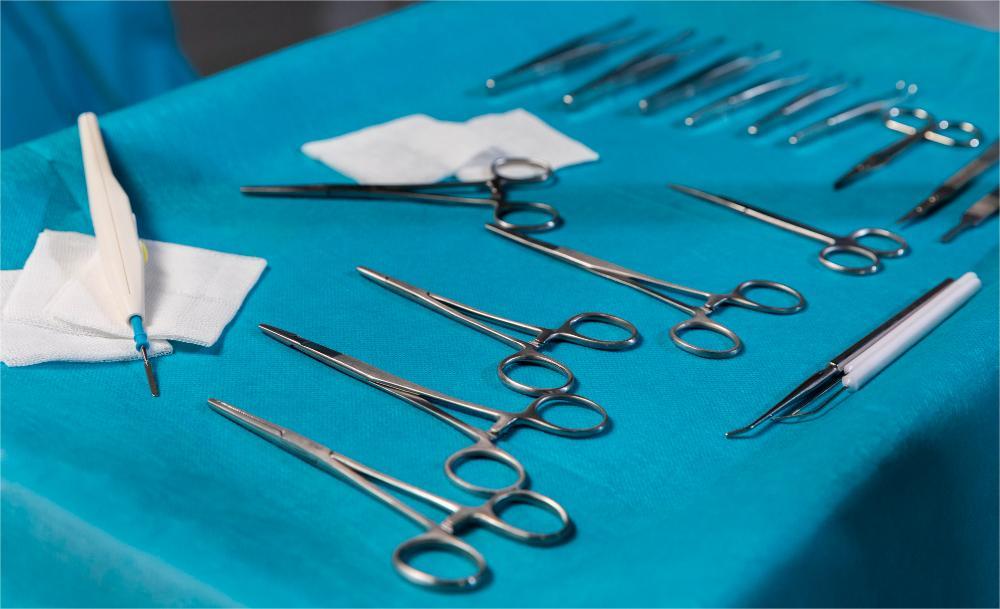
Clamps are used to control blood flow, secure tissues, or hold instruments in place during surgery. Common types include hemostats, artery forceps, and bulldog clamps.
Why Are They Essential?
Clamps play a critical role in controlling bleeding, preventing complications, and ensuring a clear surgical field. Their ability to grip tightly makes them indispensable for many procedures.
Key Features to Look For:
Locking Mechanism: Keeps clamps securely in place.
Fine Tips: Allow for precise application on small vessels.
Autoclavable Materials: Ensure easy sterilization and reuse.
Best Use Cases:
Controlling bleeding during vascular surgeries.
Securing tissues during organ removal or repair.
Pro Tip:
Use atraumatic clamps when working with delicate tissues to minimize damage.
4. Forceps – The Versatile Tool for Grasping and Manipulating
What Are Forceps?
Forceps are handheld instruments used to grasp, hold, or manipulate tissues, organs, or surgical materials. They come in various designs, such as tissue forceps, dressing forceps, and needle holders.
Why Are They Essential?
Forceps are the “hands” of the surgeon inside the body. They allow for the precise handling of tissues, sutures, and other materials, making them indispensable for nearly every surgical procedure.
Key Features to Look For:
Non-Slip Grip: Enhances control during delicate tasks.
Fine Tips: Provide better accuracy for small structures.
Anti-Corrosion Coating: Ensures longevity and hygiene.
Best Use Cases:
Grasping tissues during dissection or biopsy.
Assisting in suturing or tying knots.
Pro Tip:
Choose tungsten carbide inserts for enhanced durability and grip, especially for high-stress procedures.
5. Scissors – Cutting with Precision and Control
What Are Surgical Scissors?
Surgical scissors are specialized cutting tools designed for precision during operations. They come in straight, curved, or blunt-tipped designs to suit different needs.
Why Are They Essential?
Scissors are used to cut tissues, sutures, bandages, and other materials during surgery. Their sharp blades and fine tips allow surgeons to work in tight spaces without damaging surrounding structures.
Key Features to Look For:
Sharp Blades: Ensure clean cuts without tearing tissue.
Rotating Handles: Allow for greater maneuverability.
Anti-Stick Coating: Prevents tissue from adhering to the blades.
Best Use Cases:
Cutting sutures during wound closure.
Dissecting adhesions in abdominal surgeries.
Pro Tip:
Opt for curved scissors when working in hard-to-reach areas, as they provide better access and control.
6. Suction Devices – Clearing the Surgical Field
What Are Suction Devices?
Suction devices are used to remove blood, fluids, or debris from the surgical site, ensuring a clear and unobstructed view.
Why Are They Essential?
A clear surgical field is critical for visibility and precision. Suction devices help prevent complications by keeping the area clean and dry.
Key Features to Look For:
Adjustable Suction Power: Allows for customization based on the procedure.
Sterilizable Tubing: Ensures hygiene and reusability.
Compact Design: Ideal for minimally invasive surgeries.
Best Use Cases:
Removing blood during trauma surgeries.
Clearing fluids during laparoscopic procedures.
Pro Tip:
Use low-suction settings for delicate tissues to avoid damage.
Why Quality Matters: Choosing the Right Instruments
Investing in high-quality general surgery instruments is not just about performance—it’s about ensuring patient safety and achieving optimal outcomes. When selecting tools, always look for:
ISO Certifications: Guarantee compliance with international standards.
Material Quality: Stainless steel is preferred for its durability and resistance to corrosion.
Reputation of Supplier: Partner with trusted manufacturers like Lapex Surgical to ensure reliability and support.
Equip Your Operating Room for Success
The right set of general surgery instruments can make all the difference in the success of a surgical procedure. From scalpels and retractors to clamps and scissors, these tools are the backbone of every operating room. By investing in high-quality instruments and staying updated on the latest advancements, you can elevate your practice and deliver exceptional care to your patients.
Ready to upgrade your surgical toolkit? Explore our range of premium general surgery instruments at Lapex Surgical and take the first step toward surgical excellence today!
Looking for premium general surgery instruments? Contact us today for a free quote!