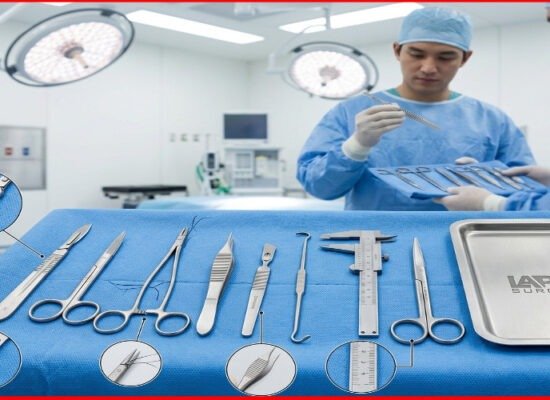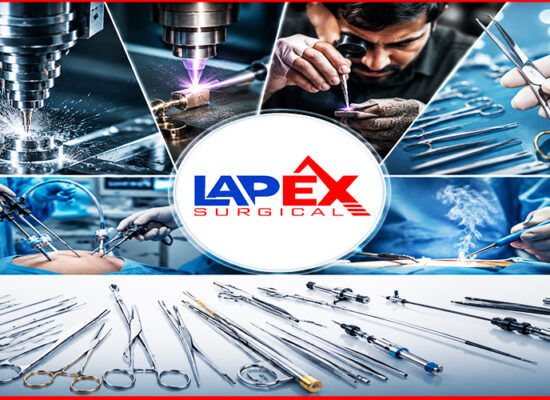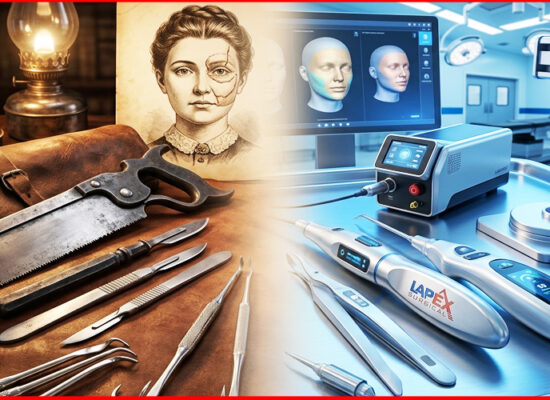

In aesthetic and reconstructive surgery, the quality of your beauty instruments is the primary determinant of surgical precision, tissue viability, and patient satisfaction. Premium beauty instruments must be forged from high-grade medical steel (typically AISI 420 or 440), feature ergonomic balance to prevent surgeon fatigue, and offer specialized tip geometries (such as Tungsten Carbide inserts) for longevity. Investing in top-tier instruments from heritage manufacturing hubs like Sialkot ensures a blend of traditional craftsmanship and modern ISO-certified safety, ultimately reducing operative time and minimizing post-surgical scarring.
Part I: The Art and Science of Beauty Instruments
Aesthetic surgery is unique in the medical field. It is a discipline where the outcome is judged not just by functional restoration, but by visual perfection. To achieve this, a surgeon requires more than just skill; they require an extension of their own hands. This is the role of premium beauty instruments.
Whether it is a delicate blepharoplasty, a transformative rhinoplasty, or a complex body contouring procedure, the tools used must be capable of microscopic precision. At Lapex Surgical, based in the global heart of surgical manufacturing—Sialkot, Pakistan—we understand that “beauty” in instrumentation means a flawless finish, a perfect “bite,” and an enduring edge.
Part II: The Core Categories of Plastic Surgery Beauty Instruments
To understand the landscape of beauty instruments, one must categorize them by their clinical application. Each procedure demands a specific subset of tools designed for the unique anatomy of the target area.
1. Rhinoplasty Instruments: The Tools of Nasal Architecture
Rhinoplasty is perhaps the most instrument-intensive procedure in plastic surgery. Because it involves both bone and delicate cartilage, the tools must be diverse.
- Osteotomes and Chisels: Used for precise bone reshaping. Premium models feature ergonomic “golf ball” or weighted handles for better control.
- Rasps: Available in various grits (e.g., tungsten carbide), these are essential for smoothing dorsal humps.
- Nasal Retractors: Such as the Aufricht or Alar retractors, which must provide clear visualization without damaging the delicate nasal mucosa.
2. Blepharoplasty Instruments: The Micro-Precision Kit
The eyelids represent some of the thinnest skin on the human body. Instruments here must be ultra-delicate.
- Castroviejo Needle Holders: These allow for the use of 6-0 to 8-0 sutures with microscopic accuracy.
- Micro-Scissors (Stevens or Westcott): Designed for clean, bloodless dissection of the orbicularis muscle and fat pads.
- Fine Forceps: Specifically toothed or non-toothed Adson forceps for handling tissue without crushing.
3. Breast and Body Contouring Tools
These procedures require larger, more robust instruments that still maintain surgical finesse.
- Fiber Optic Retractors: Essential for visualizing the sub-muscular pocket in breast augmentation.
- Liposuction Cannulas: Available in various hole configurations (e.g., Mercedes, Triport) to ensure even fat removal and minimize trauma.
- Dissectors: Large Tebbetts or Agris-Dingman dissectors are designed to create surgical planes safely.
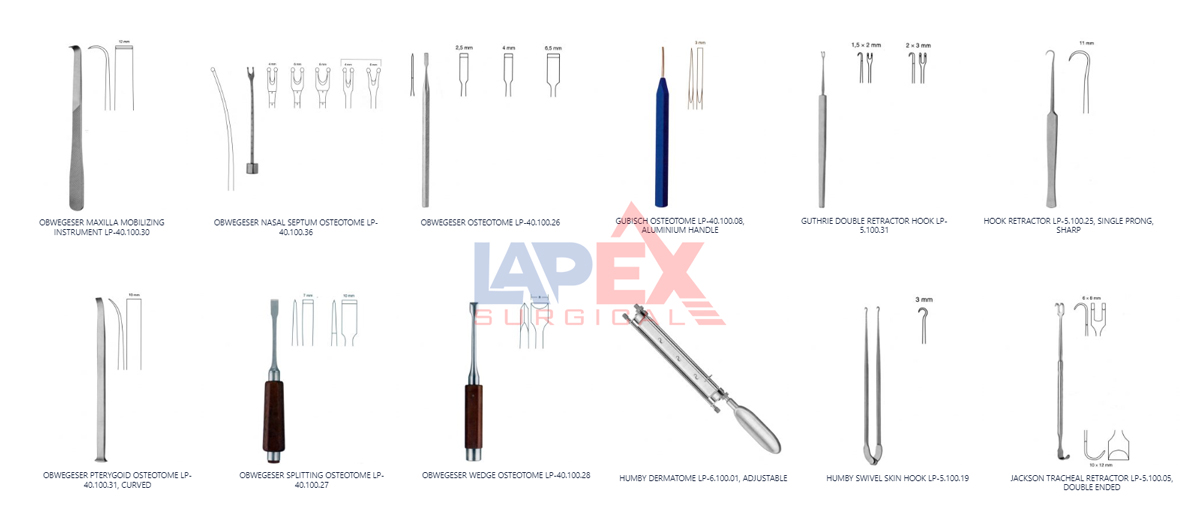
Part III: The Anatomy of a Premium Beauty Instrument
What separates a “standard” tool from a “premium” beauty instrument? The answer lies in the technical details of its construction.
1. Metallurgy: The Grade of Steel
Not all stainless steel is created equal. Premium beauty instruments are generally manufactured from:
- Martensitic Stainless Steel (AISI 420/440): This steel is heat-treatable to high hardness levels, ensuring that scissors stay sharp and needle holders do not lose their grip.
- Tungsten Carbide (TC) Inserts: Often identified by gold-plated handles, TC is significantly harder than steel. We bond these inserts to the functional tips of our instruments at Lapex Surgical to provide a “lifetime” edge.
2. The Finish: Glare vs. Satin
In the bright environment of the OR, the finish of the instrument matters.
- Mirror Polish: Highly resistant to corrosion, but can cause distracting glare under surgical lights.
- Satin/Matte Finish: The preferred choice for many aesthetic surgeons, as it reduces light reflection while maintaining high corrosion resistance.
- Ebony Finish: A black coating often used in laser surgery to prevent beam reflection.
3. Ergonomics and Weight Distribution
A surgeon may hold an instrument for 6 to 8 hours a day.
- Balance: A premium instrument should feel “weightless” in the hand, with the center of gravity situated to assist the natural movement of the wrist.
- Handle Design: Serrated or knurled handles provide a secure grip even when gloves are wet, reducing the muscular effort required to maintain control.
Part IV: Comparative Analysis – Material Selection for Beauty Instruments
| Feature | Standard Stainless Steel | Tungsten Carbide (TC) | Titanium Alloy |
|---|---|---|---|
| Durability | Moderate | Very High | High |
| Weight | Standard | Heavy (at tips) | 40% Lighter than Steel |
| Edge Retention | Requires sharpening | Stays sharp 5x longer | Moderate |
| Corrosion Resistance | High | High | Exceptional |
| Best For | General Dissection | Needle Holders/Scissors | Micro/Ophthalmic Surgery |
Part V: The Lapex Surgical Process – Craftsmanship from Sialkot
Sialkot has been the world’s epicenter for surgical instruments for over a century. However, at Lapex Surgical, we have evolved the traditional Sialkot model by integrating modern technology.
1. Forging and Die-Making
Every instrument begins as a raw forging. We use precision dies to ensure that every instrument of a specific model is identical in dimension and weight.
2. Heat Treatment
This is where the “soul” of the instrument is created. Our vacuum heat treatment processes ensure the perfect balance between hardness (for sharpness) and flexibility (to prevent snapping).
3. Hand-Finishing
Despite the use of CNC machines, the final “setting” of a beauty instrument—the way the blades of a scissor glide or the jaws of a forceps meet—is done by master craftsmen with decades of experience. This “tactile signature” is what surgeons love about Lapex instruments.
Part VI: Maintenance and Sterilization – Protecting Your Investment
A premium beauty instrument can last a lifetime if cared for properly. Neglect can lead to “pitting” or “spotting,” which are often mistaken for rust but are actually chemical reactions.
The 5-Step Maintenance Protocol:
- Immediate Rinse: Never let blood dry on the instrument. Saline is corrosive; use distilled water.
- Ultrasonic Cleaning: Use a pH-neutral detergent to reach microscopic crevices.
- Lubrication (Surgical Milk): Essential for moving parts like box locks and screw joints.
- Inspection: Check for alignment and sharpness using a test material (like latex or silicone).
- Autoclave: Follow validated parameters (134 C for 3-5 minutes) and ensure instruments are open during the cycle.
Part VII: Frequently Asked Questions (FAQ)
Q1: Why are beauty instruments from Sialkot considered world-class?
Sialkot combines a massive ecosystem of skilled artisans with advanced metallurgical testing. This allows manufacturers like Lapex Surgical to produce instruments that rival German quality at a significantly more accessible price point.
Q2: What is the significance of the “Gold Handle” on scissors and needle holders?
Gold handles indicate the presence of Tungsten Carbide (TC) inserts. These are harder than stainless steel and are used on the functional edges to ensure long-term precision and grip.
Q3: How do I know if my scissors need sharpening?
If the scissor “pushes” tissue rather than cutting it, or if it snags on a single layer of gauze, the edge is dull. Premium scissors should cut cleanly from the pivot to the very tip.
Q4: Is Titanium better than Stainless Steel for beauty instruments?
Titanium is lighter and 100% non-magnetic, which is excellent for micro-surgery and MRI environments. However, stainless steel remains superior for cutting instruments because it can be hardened to a much sharper edge.
Q5: Can Lapex Surgical provide custom-made beauty instruments?
Yes. As a direct manufacturer, we offer OEM and ODM services, allowing surgeons to modify existing designs or create entirely new tools based on their specific surgical techniques.
Part VIII: The Future of Beauty Instruments – Innovation at Lapex
As plastic surgery moves toward minimally invasive techniques, the instruments are becoming smaller and more specialized.
- Endoscopic Beauty Instruments: Designed for brow lifts and “mommy makeovers” through tiny incisions.
- Ceramic Coatings: New coatings that reduce friction and increase surface hardness even further.
- Super-Cut Technology: One blade is sharp, and the other is micro-serrated to prevent tissue from slipping during the cut.
The Lapex Promise
The journey from a raw bar of steel in Sialkot to a precision-crafted instrument in a Beverly Hills or Harley Street operating room is one of dedication and discipline. At Lapex Surgical, we don’t just manufacture tools; we provide the precision that empowers surgeons to change lives.
Choosing the right beauty instruments is an investment in your reputation and your patients’ safety. We invite you to explore our Plastic Surgery Catalog and witness the standard of excellence that defines our brand.
Ready to enhance your surgical precision? Contact the Lapex team for a comprehensive consultation or to request our latest digital catalog.