
Table of Contents
ToggleLaparoscopic Instruments for Cholecystectomy: A Comprehensive Guide
Laparoscopic cholecystectomy, the minimally invasive removal of the gallbladder, is one of the most common surgical procedures performed today. Instead of a large incision, surgeons use small cuts and special tools. These laparoscopic instruments are crucial for performing this surgery with reduced pain and a faster recovery for patients. They enable the surgeon to work inside the abdomen by viewing a video screen. But what exactly are these instruments? This comprehensive guide will break down the essential laparoscopic instruments used in cholecystectomy, explaining what each tool does to remove the gallbladder safely and efficiently.
Getting Access: The Trocars
Before any work can begin, the surgeon needs to get into the abdominal space. This is done using instruments called trocars. A trocar is essentially a sharp or blunt-tipped rod inside a hollow tube called a cannula. The surgeon makes a small incision in the skin and then inserts the trocar and cannula through the abdominal wall. The rod (trocar) is removed, leaving the hollow cannula as a port. Typically, 3 or 4 small incisions and trocars are used for a laparoscopic cholecystectomy to allow different instruments to enter.
Seeing Inside: The Laparoscope (Camera)
Once a port is established, the surgeon needs to see what they are doing! This is where the laparoscope comes in. Often called the “camera,” the laparoscope is a thin, telescope-like instrument connected to a light source and a video camera. It’s inserted through one of the trocar ports. The light illuminates the inside of the abdomen, and the camera sends live images to a monitor in the operating room. This allows the surgical team to see the gallbladder, liver, and surrounding structures in detail.
Manipulating Tissue: Graspers and Dissectors
Working through small ports means surgeons use long, thin instruments inserted through the cannulas. Graspers are like surgical pincers used to hold onto tissues, such as the gallbladder itself or surrounding structures, to move them around and get a better view or position for cutting or clipping. Dissectors have tips designed to carefully separate tissues from each other, allowing the surgeon to identify important structures like the cystic duct and cystic artery. Different tips allow for blunt or sharp dissection.
Common Types of Graspers and Dissectors
- Standard Laparoscopic Graspers: Double-action serrated jaws give a secure hold on slippery tissue.
- Atraumatic Graspers: Feature smooth or finely serrated jaws to hold delicate structures (like the gallbladder) without causing injury.
- Claw Graspers: Have teeth to provide extra grip when needed, especially useful for thicker or tougher tissue.
- Dolphin Nose Graspers: Slim, tapered jaws for precise holding and maneuvering in tight spaces.
- Mixter (Right Angle) Dissectors/Clamps: Angled tips make it easier to reach around vessels or ducts, perfect for careful dissection or passing loops.
- Maryland Dissectors: Fine, curved jaws that can both bluntly and sharply separate tissue—these are a staple tool for dissecting around the cystic duct and artery.
- Maxi-type Graspers: Provide extra reach and gentle handling for larger or more fragile tissue.
Most of these instruments are designed with features like rotating shafts for better maneuverability and ergonomic, carbon fiber handles to reduce surgeon fatigue during long procedures. Many are modular, allowing for easy assembly, disassembly, and thorough cleaning.
By carefully choosing the right grasper or dissector for each step, the surgeon can safely expose the critical anatomy needed for gallbladder removal, minimizing trauma and improving outcomes for patients.
Cutting and Separating: Scissors and Energy Devices
To free the gallbladder, the surgeon needs to cut tissue and vessels. Surgical scissors designed for laparoscopic use are long and thin, operated from the handle outside the body. They are used for cutting ducts, arteries, or other tissues.
There are several specialized types of laparoscopic scissors to meet the needs of delicate dissection and precise cutting inside the abdomen:
- Metzenbaum scissors are commonly available in both straight and curved designs. Their slender, delicate blades are ideal for fine tissue work—think carefully trimming connective tissue or snipping through small blood vessels.
- Hook scissors feature a hooked tip, making them especially useful for snagging and cutting specific structures, such as a duct or a tight band of tissue, with minimal slipping.
- Micro scissors offer even finer, more delicate blades for situations where precision is paramount, such as working around tiny vessels or nerves.
These scissors often have features like rotating shafts (letting the surgeon adjust the position of the blades without moving their hands), monopolar capability for simultaneous cutting and cautery, and modular construction, making them easy to take apart for cleaning or sterilization. The handles are designed for comfort and control during long procedures, and the overall length (typically around 33cm) allows safe and effective reach deep within the abdomen.
In many cases, energy devices (like harmonic scalpels or electrocautery tools) are used instead of or in addition to scissors. These tools use energy (ultrasound or electricity) to cut tissue and seal small blood vessels at the same time, which helps control bleeding.
Special Features: Monopolar, Rotating, and Take-Apart Instruments
Most of the core laparoscopic instruments used for cholecystectomy—such as Metzenbaum scissors, hook scissors, Maryland dissectors, Mixter clamps, and a range of graspers—share several handy design elements to make the surgeon’s job easier and safer:
Monopolar Capability: The majority of these instruments can connect to monopolar electrosurgical units. This design allows surgeons to not only cut and dissect tissue but also control bleeding by delivering electrical energy straight through the instrument tip.
Rotating Shafts: Many laparoscopic scissors, dissectors, forceps, and graspers feature rotating shafts. The ability to spin the instrument 360 degrees, even after it’s inside the abdomen, gives the surgeon better angles and control without having to move their whole arm—or the entire instrument out of the port.
Take-Apart Construction: For easier cleaning and sterilization, these instruments often come in three main pieces that can be taken apart and reassembled. This design helps with infection control in the operating room and extends the life of the tool.
Some graspers and forceps also have special tips, like atraumatic jaws for gentle tissue handling or serrated jaws for a stronger grip. And yes, you’ll find both 5mm and 10mm options, letting the surgical team pick the right size for the job at hand.
Securing Vessels and Ducts: Clip Appliers and Surgical Clips
Before the gallbladder is removed, the cystic duct and cystic artery (which connect the gallbladder to the main bile duct and supply blood) must be securely closed off. This is commonly done using a clip applicator. This instrument is loaded with tiny surgical clips (often made of titanium). The surgeon positions the jaws of the clip applicator around the duct or artery and squeezes the handle, placing a clip that permanently seals the structure. Multiple clips are usually applied for safety.
Clearing the Field: Suction and Irrigation Tools
Keeping the view clear inside the abdomen is vital. Suction and irrigation tools are long, thin instruments inserted through a port. The irrigation function allows the surgeon to squirt saline solution into the area to wash away blood or debris. The suction function (using tips like a Yankauer suction adaptation or specific laparoscopic suction tips) removes the fluid and any small particles, maintaining a clear view on the monitor.
Other Essential Tools
While the above covers the main categories, other tools might be used.
Sometimes, a needle holder is needed if internal suturing is required. For example, a 5mm or 10mm laparoscopic needle holder with features like a cleaning port, break-proof axial handles, and tungsten carbide (TC) jaws—often curved to the left for enhanced precision—can make suturing easier and more reliable. These instruments may come with rotating, single-action jaws, ergonomic non-ratchet handles, and a convenient take-apart design to facilitate thorough cleaning. The right needle holder offers stability and control, supporting successful suturing even in challenging laparoscopic procedures.
How Much Does a Laparoscopic Cholecystectomy Instrument Set Weigh?
For anyone curious about the logistics, a standard set of laparoscopic instruments used for cholecystectomy typically weighs around 1 pound (about 0.45 kilograms). Of course, this can vary a bit depending on the mix of tools included—energy devices, reusable vs. Disposable components, and the number of trocars. But in general, these sets are designed to be lightweight, making them easy to maneuver and transport within the operating room.
What’s Inside a Laparoscopic Cholecystectomy Instrument Set?
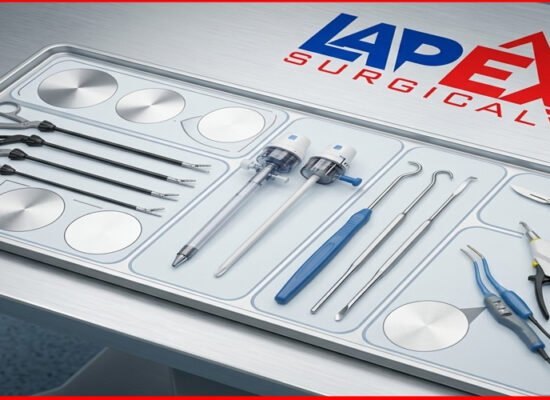
If you peek inside a typical laparoscopic cholecystectomy tray, you’ll find an impressively engineered toolkit—each piece long, slim, and ready for action through those tiny incisions. Here’s what usually makes up the set, along with the key specs and features to look for:
Monopolar Electrodes (Spatula & L-Hook Tips): Both commonly 5mm in diameter and around 33cm in working length. The spatula tip is flat for precise dissection, while the L-hook facilitates lifting and controlled tissue separation. Neither includes suction, and both connect to electrosurgical generators for cautery functions.
Cyst Aspiration Needle: A fine 1.5mm needle, typically about 33cm long, designed especially to aspirate fluid from the gallbladder safely within the confines of the abdominal cavity.
Metzenbaum Scissors (Straight & Curved): Slim, monopolar scissors that are 5mm in diameter and around 33cm in length. Many versions feature rotating shafts and a three-piece, take-apart construction for easier cleaning. The handles are often ergonomic—carbon fiber is popular for its lightness.
Hook & Micro Scissors: Similar in length and diameter to the Metzenbaum, these scissors feature specialized blade shapes. Hook scissors aid in controlled, hook-like cuts, while micro scissors provide delicate, curved blades for precision work on finer structures.
Maryland Dissector: A classic in laparoscopic sets—this instrument usually offers monopolar capability, rotating shafts, 5mm diameter, and diamond-serrated jaws for improved grip on tissues.
Mixter Clamp/Forceps: These forceps come in both 5mm and 10mm sizes, often with right-angle or 90-degree angled tips for maneuvering around awkward corners. They’re generally monopolar and have ergonomic, rotating handles.
Graspers (Dolphin Nose, Standard, DG, Maxi-Type): All typically 5mm in diameter, with variations in jaw shape and tips—a double-action for power or atraumatic designs to safeguard delicate tissue. Shafts are long (about 33cm), rotating, and usually feature easy-to-handle carbon fiber grips.
Claw Grasper: Larger (often 10mm in diameter, up to 45cm long), this grasper features multiple teeth (like a 2×3 pattern) and a straight jaw for a firm hold—ideal for larger or tougher tissues.
Spoon Biopsy Forceps: Generally 10mm in diameter, these tools combine a long (33cm), single-action rotating shaft with a spoon-shaped tip, sometimes without ratcheting action, making tissue sampling less traumatic.
Every instrument in this set is a product of thoughtful design—long enough for deep access, slim enough for gentleness, and specialized for every twist, clip, and cut encountered in a gallbladder removal. This synergy of features is what enables surgeons to operate with precision behind the scenes (and screens).
The Benefit of Specialized Laparoscopic Instruments
The entire set of laparoscopic instruments for cholecystectomy is specifically designed to work through small incisions. Their long, slender shape and the ability to manipulate tips remotely allow surgeons to perform complex actions within a confined space while viewing everything on a screen. This specialized design is what makes minimally invasive surgery like laparoscopic cholecystectomy possible, leading to smaller scars, less pain, and quicker recovery times compared to traditional open surgery.
Instrument Sets: Cholecystectomy vs. Other Laparoscopic Procedures
While the core principles of minimally invasive surgery are shared across laparoscopic cholecystectomy, appendectomy, bowel resection, and banding procedures, the specific instrument sets for each reflect the unique anatomical and technical demands of the operation.
Let’s break down the main differences:
Cholecystectomy Sets:
Designed primarily for removing the gallbladder, these sets typically include long, slender graspers and dissectors well-suited for navigating around the liver and identifying small but critical structures like the cystic duct and artery. You’ll find an emphasis on precise clip appliers (for sealing off small vessels and ducts), durable energy devices for both dissection and hemostasis, and delicate suction-irrigation systems to maintain visibility around the biliary tree. Because of the confined upper abdominal space, these tools favor fine control and minimally traumatic tips.Appendectomy Sets:
These focus on the safe removal of the appendix, which is generally in the lower right abdomen. While similar in some ways (graspers, scissors, basic energy devices), appendectomy instruments can be a bit shorter or with tips adapted for maneuvering in tighter pelvic spaces. Clip applicators or staplers in these sets are optimized for the relatively thin mesoappendix and base of the appendix, often with smaller jaws or more delicate loading mechanisms.Bowel Resection Sets:
These kits are more extensive. In addition to standard graspers and scissors, they often include robust stapling devices for cutting and rejoining sections of bowel, more resilient needle holders for suturing thicker tissue layers, and stronger energy devices for sealing larger vessels. Since resection cases can involve substantial tissue manipulation and variable anatomy, the instruments tend to be longer, sturdier, and more modular.Banding Procedure Sets:
Common in bariatric surgery, these instrument sets focus on introducing and securing adjustable bands around parts of the stomach. They feature specialized passers, band introducers, and sizing tools not found in other sets. While they still use basic laparoscopic scissors, graspers, and dissectors, the stars here are the unique band-holding tools designed for both placement and safe tightening.
In summary:
The essential distinction is that while all these laparoscopic sets contain familiar basics—graspers, dissectors, scissors, and suction—they are refined for their intended organ and task. Cholecystectomy sets prioritize fine bile duct work and safe vessel sealing in the right upper quadrant. Other sets are tailored for their respective regions: appendectomy for pelvic work, bowel sets for heavy-duty cutting and staple use, and banding sets for specialized device handling. Choosing the right set not only makes the operation easier for the surgical team, but it’s also a key factor in a smooth, safe patient outcome.
The successful performance of a laparoscopic cholecystectomy relies on the skillful use of a specialized set of surgical instruments. From the initial access provided by trocars and the essential vision from the laparoscope, to the precise manipulation with graspers and dissectors, cutting with scissors or energy devices, securing structures with clip appliers, and maintaining clarity with suction tools, each instrument plays a crucial role. Understanding these essential instruments helps appreciate the intricate nature of this common gallbladder surgery and the technology that enables its minimally invasive approach.