
Table of Contents
ToggleMastering Your Recovery: A Patient’s Handbook for Abdominal Incision Care
Undergoing abdominal surgery is a significant event, a testament to modern medical advancements offering solutions to complex health challenges. While the surgery itself is a critical step, the journey to full health doesn’t end when you leave the operating room. A new, vital phase begins: mastering your recovery, with a keen focus on abdominal incision care.
Your incision site is more than just a closed wound; it’s the gateway to your healing. Proper care of this area is paramount for preventing complications, minimizing discomfort, and ensuring the best possible aesthetic outcome. Neglecting your incision can lead to infection, delayed healing, or even more serious issues, prolonging your recovery journey.
This handbook is designed to empower you with the knowledge and practical tips you need to confidently navigate your post-abdominal surgery incision care. We’ll unpack everything from understanding the healing process to recognizing potential complications and managing your scar for optimal results.
At Lapex Surgical, based in Sialkot, Pakistan – a city globally renowned for its unparalleled tradition in crafting surgical instruments – we understand that the foundation of a successful recovery is laid even before the incision is closed. A meticulously performed surgery, using the highest quality instruments, minimizes tissue trauma during the initial procedure. This precision directly contributes to a cleaner, more stable surgical wound, which in turn sets the stage for a smoother, faster, and more robust healing process. Our commitment is to ensure that every instrument used in your surgery embodies this standard of excellence, empowering both surgeon and patient.
Let’s begin your journey to mastering your recovery.
Chapter 1: Understanding Your Abdominal Incision – The Basics of the Surgical Wound
To effectively care for your incision, it helps to understand what it is and how your body works to heal it. An abdominal incision is a deliberate cut made through layers of skin, muscle, and tissue to allow surgeons access to internal organs.
Types of Abdominal Incisions: Abdominal incisions come in various shapes and sizes, depending on the type of surgery performed, the organs accessed, and the surgeon’s preference. Common types include:
Vertical Incisions: Often made midline (from the breastbone to the navel, or from the navel downwards), providing wide access.
Transverse Incisions: Horizontal cuts, often in the lower abdomen (e.g., “bikini cut” for C-sections or hysterectomies).
Laparoscopic Incisions (Port Sites): Multiple small incisions (often 0.5-1.5 cm) for minimally invasive procedures, where a camera and specialized instruments are inserted. These heal differently due to their smaller size.
The Amazing Healing Process: Phases of Wound Healing. Your body is an incredible machine, constantly working to repair itself. Surgical wound healing typically progresses through several overlapping phases:
Inflammation Phase (Days 0-5): Immediately after surgery, your body sends blood cells and fluids to the wound to clean it and start the repair. You’ll see some redness, swelling, and feel warmth and tenderness – this is normal inflammation, not necessarily infection.
Proliferation Phase (Days 5-21): New tissue (granulation tissue) begins to form, characterized by tiny blood vessels and collagen fibers. The wound edges start to pull together. This is when sutures or staples are typically removed.
Remodeling/Maturation Phase (Weeks 3 – 1 year+): The new tissue strengthens and reorganizes. The scar becomes flatter, softer, and lighter in color over time. This phase can continue for months or even years.
Factors Influencing Incision Healing: Several factors can impact how quickly and effectively your incision heals:
Nutrition: Adequate protein, vitamins (especially C and A), and zinc are crucial for tissue repair.
Hydration: Staying well-hydrated supports overall body function and healing.
Age: Younger individuals generally heal faster than older adults.
Underlying Health Conditions: Diabetes, weakened immune systems, and certain chronic diseases can delay healing.
Medications: Some medications (e.g., corticosteroids, chemotherapy) can impair healing.
Smoking: Significantly reduces blood flow and oxygen to tissues, slowing healing and increasing complication risk.
Obesity: Can increase tension on incisions and impact the blood supply.
Quality of Initial Incision: A clean, precisely made surgical incision (thanks to quality instruments) with minimal tissue trauma sets the best foundation for smooth healing.
Chapter 2: Immediate Post-Op Incision Care – First Few Days (Hospital & Home)
The first few days after abdominal surgery are critical for laying the groundwork for a successful recovery. Your medical team will guide you, but knowing what to expect can empower you.
Pain Management: It’s Okay to Feel, It’s Important to Manage.
You will experience pain and discomfort at the incision site. This is normal and a sign your body is healing. Don’t try to be a hero.
Take your prescribed pain medication as directed. Managing pain effectively allows you to move, cough, and participate in your recovery, which aids healing.
Report severe or worsening pain to your nurse or doctor immediately.
Dressing Management: Your First Line of Defense.
Your incision will likely be covered with a dressing (bandages, gauze). Your nurse will instruct you on when and how to change it.
In many cases, the initial dressing is left on for 24-48 hours. After that, some incisions may be left open to air, while others might require continued dressing changes.
Always wash your hands thoroughly with soap and water before and after touching your incision or dressing.
If a drain is present (a tube to remove fluid from the surgical site), your nurse will show you how to manage and record its output.
Monitoring for Bleeding or Drainage: What’s Normal, What’s Not.
It’s common to see a small amount of clear, pinkish, or yellowish fluid (serosanguinous drainage) on the dressing or around the incision, especially in the first few days.
Call your doctor immediately if you notice:
Heavy, bright red bleeding.
Pus-like, thick, foul-smelling, or green/yellow drainage.
Sudden increase in drainage.
Early Mobilization: Moving to Heal.
Your medical team will encourage you to get out of bed and walk short distances soon after surgery.
This is vital! It helps prevent serious complications like blood clots (deep vein thrombosis/DVT), pneumonia, and promotes healthy bowel function.
Even small movements increase circulation, which delivers essential nutrients and oxygen to the healing wound.
Showering/Bathing: Keeping Your Wound Dry.
Generally, you can shower within 24-48 hours after surgery, but avoid direct spray on the incision initially.
Allow the water and gentle soap to run over the incision, then pat it dry with a clean towel. Do not rub.
Avoid baths, hot tubs, or swimming for at least 1-2 weeks, or until your surgeon advises. Soaking the wound can soften it, allowing bacteria to enter and thereby increasing the risk of infection.
Lapex Surgical‘s Contribution to a Clean Start: The very first step in incision care begins with the surgeon’s hand. A clean, precise incision made with a sharp, high-quality scalpel minimizes tissue trauma, ensuring that the wound edges are clean and ready to heal. Furthermore, the meticulous handling of tissues with precision forceps and dissectors during the operation, and the secure closure performed with reliable needle holders (all instruments Lapex Surgical specializes in), are foundational to reducing the risk of wound complications and promoting primary wound healing. A perfectly executed initial cut and closure set the stage for your body’s efficient repair work.
Chapter 3: Daily Care at Home: Practical Tips for Optimal Healing
Once you’re home, managing your incision becomes your primary responsibility. Here are practical tips to ensure optimal healing:
Keeping the Incision Clean:
Continue to wash your hands before and after touching your incision.
Gently wash the area with mild soap and water (or as advised by your surgeon). Don’t scrub.
Pat the area thoroughly dry with a clean, soft towel. Ensure no moisture is left.
Avoid applying lotions, creams, or powders to the incision unless specifically advised by your surgeon.
Protecting the Incision from Friction and Strain:
Wear loose, comfortable clothing that doesn’t rub against the incision.
Avoid tight waistbands or belts directly over the incision.
Protect the incision from direct sunlight for at least 6-12 months, as UV rays can cause the scar to darken permanently. Use sunscreen or cover the area.
Supporting the Incision: The “Splinting” Technique.
When you cough, sneeze, laugh, or need to bear down (e.g., for a bowel movement), gently press a pillow or your hands firmly over your incision. This “splinting” technique provides support, reduces pain, and prevents excessive strain on the healing tissues.
Managing Sutures or Staples: When They Come Out.
If you have external sutures, staples, or surgical clips, your surgeon will advise you on when they need to be removed (typically 7-14 days post-op). Do NOT attempt to remove them yourself.
Some sutures are absorbable and will dissolve on their own.
Surgical glue (Dermabond) or Steri-Strips (small adhesive strips) will typically fall off on their own. Do not pick or pull them off.
Diet and Nutrition for Healing:
Protein: Crucial for building and repairing tissues. Include lean meats, poultry, fish, eggs, dairy, beans, and lentils.
Vitamins: Vitamin C (citrus fruits, bell peppers), Vitamin A (carrots, sweet potatoes), and Zinc (nuts, seeds, meat) are vital for wound healing and immune function.
Hydration: Drink plenty of water. Staying well-hydrated helps maintain blood volume, which carries nutrients and oxygen to the wound. It also helps prevent constipation, which can cause painful straining.
Fiber: Gradually increase fiber intake to promote regular bowel movements and prevent constipation, especially if you’re taking pain medication that can slow digestion.
Avoiding Strain: Lifting and Activity Restrictions.
Lifting: This is one of the most critical restrictions. Avoid lifting anything heavier than a gallon of milk (about 8-10 pounds or 4-5 kg) for at least 4-6 weeks after open abdominal surgery, and 2-4 weeks after laparoscopic surgery. Follow your surgeon’s exact guidelines.
Activity: Gradually increase your activity level as tolerated. Gentle walking is excellent for circulation. Avoid strenuous exercise, heavy exertion, or activities that cause pain or pulling at the incision site until cleared by your surgeon.
Proper Body Mechanics: When getting out of bed, roll onto your side first, then push yourself up with your arms. Avoid crunching directly forward.
Chapter 4: Recognizing and Managing Potential Complications
While most incisions heal without major issues, it’s vital to be aware of potential complications and know when to seek medical help. Early detection and treatment can prevent more serious problems.
Signs of Incision Infection (Call Your Doctor Immediately):
| Sign/Symptom | Description |
| Increased Redness | The skin around the incision becomes redder, or redness spreads. |
| Increased Swelling | The incision area becomes noticeably more swollen than previously. |
| Increased Warmth | The skin around the incision feels hot to the touch. |
| Pus or Foul-Smelling Discharge | Yellow, green, or thick discharge from the incision, especially if odorous. |
| Increasing Pain | Pain at the incision site that worsens, is not relieved by medication, or develops suddenly. |
| Fever | A temperature of 101°F (38.3°C) or higher. |
| Opening of the Incision | Any part of the incision opens up (dehiscence). |
Other Potential Complications:
Seroma: A collection of clear or yellowish fluid under the skin near the incision. Small seromas may resolve on their own; larger ones might need drainage by your doctor.
Hematoma: A collection of blood under the skin, appearing as a bruise or lump. Usually resolves on its own, but large ones may need drainage.
Dehiscence: The partial or complete separation of the wound edges. This is rare but requires immediate medical attention.
Incisional Hernia: A bulge that forms at or near the incision site weeks, months, or even years after surgery, indicating that the underlying muscle layers have weakened or opened. This may require further surgical repair.
Nerve Pain/Numbness: It’s common to experience some numbness around the incision due to nerve disruption. Persistent burning, shooting, or radiating pain (neuropathy) should be discussed with your doctor.
When to Call Your Doctor: Don’t Hesitate! If you experience any of the signs of infection, sudden severe pain, heavy bleeding, or if your incision opens, contact your surgeon’s office or seek emergency medical care immediately. It’s always better to be safe than sorry.
Chapter 5: Scar Management: Minimizing Visibility, Maximizing Comfort
Once your incision has fully closed and the sutures/staples are removed, the next phase of healing involves scar maturation. While you can’t make a scar disappear entirely, you can significantly influence its appearance and comfort.
Understanding Scar Formation: A scar is your body’s natural way of repairing injured skin. The new tissue is initially red, raised, and firm. Over time, it flattens, softens, and fades.
Scar Massage (Once Cleared by Surgeon):
Once your incision is completely closed and well-healed (typically 2-4 weeks post-op, or when advised by your surgeon), gentle scar massage can be beneficial.
Use a circular motion, applying light to moderate pressure along and across the scar. This helps break down collagen fibers and can improve flexibility and reduce tenderness.
Perform massage for 5-10 minutes, 2-3 times a day.
Topical Treatments:
Silicone Sheets/Gels: These are widely recommended by plastic surgeons. They create a moist healing environment and can help flatten and soften raised scars and reduce redness. Start using them once the incision is fully closed.
Other creams or oils (e.g., Vitamin E, cocoa butter) have less scientific evidence for scar improvement, but may help with skin hydration.
Sun Protection:
This is CRITICAL. New scars are highly sensitive to UV radiation. Sun exposure can cause the scar to permanently darken and become more noticeable.
Keep your scar covered with clothing or use a broad-spectrum sunscreen with SPF 30+ whenever it’s exposed to the sun for at least 6-12 months.
Patience: Scar remodeling takes time. Be patient and consistent with your scar care routine. The most significant changes occur within the first year, but improvement can continue for longer.
The Lapex Surgical Difference: Laying the Foundation for Flawless Healing
The journey of incision healing begins in the operating room. A clean, precise incision is paramount, as is meticulous tissue handling throughout the surgical procedure. This is where the unwavering quality of surgical instruments becomes a silent, yet profound, factor in your recovery.
At Lapex Surgical, our legacy from Sialkot is built on the mastery of crafting surgical instruments that empower surgeons to perform procedures with minimal tissue trauma and maximum precision. We understand that a well-executed incision, closure, and tissue management during surgery lays the best possible foundation for a smooth, complication-free healing process.
How Lapex Surgical Instruments Contribute to Optimal Incision Healing:
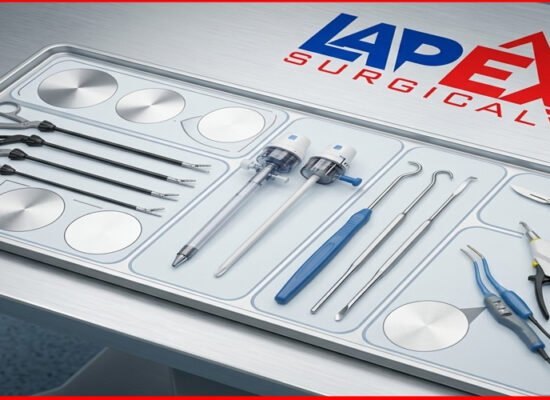
Razor-Sharp Scalpels for Clean Incisions: Our scalpels are engineered for unparalleled sharpness and consistency. A clean, smooth incision edge, created by a superior scalpel, promotes faster and more aesthetically pleasing healing, as there is less tissue damage to repair.
Precision Dissection Tools: From delicate forceps to finely ground scissors, our instruments enable surgeons to perform precise tissue dissection. This minimizes collateral damage to surrounding healthy tissue, which reduces inflammation and supports a more efficient healing cascade.
Reliable Needle Holders for Secure Closure: The integrity of the surgical wound closure is vital. Our needle holders provide an unyielding grip on suture needles, allowing surgeons to place sutures accurately and tie secure knots. This ensures proper approximation of wound edges, reducing tension and promoting strong, primary healing.
Durable and Ergonomic Design: Lapex Surgical instruments are forged from premium surgical-grade stainless steel, ensuring exceptional durability through countless sterilization cycles. Their ergonomic design reduces surgeon fatigue, promoting sustained precision even during complex or prolonged procedures.
Unwavering Quality Assurance: Our commitment to quality is not just a promise; it’s certified. Lapex Surgical adheres to the most stringent international standards, including ISO 13485 (Medical Devices Quality Management), CE Marking (MDR 2017/745), ISO 9001, ISO 14001, ISO 45001, and GMP/FDA compliance. These certifications guarantee that every instrument leaving our Sialkot facility is safe, effective, and reliable, directly contributing to reduced post-operative complications like infection and dehiscence.
Choosing Lapex Surgical instruments means choosing a commitment to excellence that starts in the operating room and extends directly to the quality of your incision’s healing, fostering a smoother, more confident recovery.
Your Empowerment in Healing
Mastering your recovery after abdominal surgery is a partnership between you, your medical team, and the foundational quality of care you receive. By understanding the healing process, diligently following post-operative instructions, managing your incision, and proactively addressing any concerns, you take powerful control over your journey back to health.
Remember, the initial integrity of your surgical wound, made possible by the precision of instruments crafted by companies like Lapex Surgical, sets the stage for optimal healing. With this knowledge, you are well-equipped to nurture your incision, prevent complications, and ultimately achieve a successful and confident recovery. Your body is capable of amazing healing, and with the right care, you can help it do its best work.
Frequently Asked Questions (FAQ)
Q1: How long does it take for an abdominal incision to heal?
A1: The surface of the incision usually closes within 1-2 weeks. However, the deeper layers and scar tissue continue to strengthen and remodel for several months to a year or more.
Q2: Can I shower with my incision?
A2: Generally, yes, within 24-48 hours after surgery, unless advised otherwise by your surgeon. Allow water and mild soap to run over the incision, then pat dry with a clean towel. Avoid baths, hot tubs, or swimming until cleared by your doctor.
Q3: What are the signs of an infected incision?
A3: Signs of infection include increasing redness, swelling, warmth, pus or foul-smelling discharge, increasing pain, or a fever (over 101°F or 38.3°C). Contact your doctor immediately if you notice these.
Q4: Can I lift heavy objects after abdominal surgery?
A4: No, avoiding heavy lifting is crucial to prevent strain on the incision and avoid complications like incisional hernia. Typically, avoid lifting anything over 10-15 pounds (4-7 kg) for 2-6 weeks, depending on the type of surgery and your surgeon’s specific instructions.
Q5: What can I do to minimize my scar?
A5: Once your incision is fully closed (and cleared by your surgeon), you can use gentle scar massage, apply silicone sheets or gels, and most importantly, protect the scar from direct sun exposure for at least 6-12 months.
Q6: What role does diet play in incision healing?
A6: Proper nutrition is vital. Ensure you consume adequate protein, vitamins (especially C and A), and zinc, and stay well-hydrated. Fiber is also important to prevent constipation and straining.
Q7: How does Lapex Surgical contribute to good incision healing?
A7: Lapex Surgical manufactures high-quality surgical instruments (scalpels, forceps, needle holders, etc.) that enable surgeons to make precise incisions and perform meticulous tissue handling and closure. This minimizes initial tissue trauma and supports optimal wound healing, reducing the risk of complications and promoting a smoother recovery for the patient.