
Table of Contents
ToggleReusable vs. Disposable Laparoscopic Instruments: A Comprehensive Comparison
Laparoscopic surgery relies on specialized instruments to work inside the body through small incisions. When choosing these tools, hospitals and surgical centers face a key decision: should they use Reusable Laparoscopic Instruments or Disposable Laparoscopic Instruments? Both types have their place in the operating room but come with different costs, benefits, and considerations. This article provides a comprehensive comparison, looking at the advantages and disadvantages of each to help understand which might be the right fit for different situations.
Understanding the Two Types
Before we compare, let’s define them:
Reusable Laparoscopic Instruments:
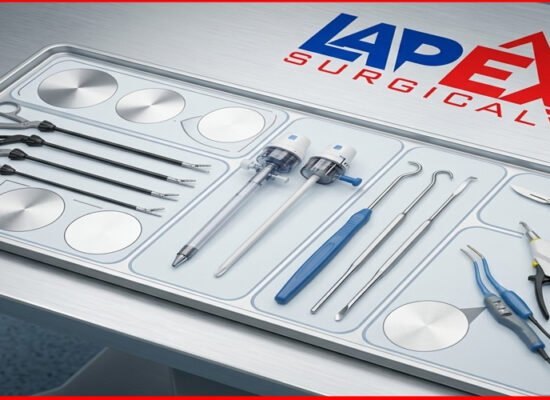
These are designed to be cleaned, sterilized, and used for multiple surgeries. They are typically made from durable materials like high-grade stainless steel.
Disposable Laparoscopic Instruments:
These are designed for single use only. They are opened in the operating room, used during one procedure, and discarded.
Cost-Effectiveness: Initial vs. Long-Term Expense
Comparing the cost is more complex than just looking at the price tag for one instrument. The Cost-effectiveness of Laparoscopic Instruments depends on whether you look at the initial cost or the long-term expense over many surgeries.
- Initial Cost: Disposable Laparoscopic Instruments have a higher cost per instrument or procedure. Reusable Laparoscopic Instruments have a much higher upfront purchase price for the instrument itself and the equipment needed to sterilize them.
- Long-Term Expense: Reusable instruments require ongoing costs for cleaning, sterilization, maintenance, repairs, and eventual replacement. Disposable instrument costs add up with every single use. For high-volume procedures, reusable instruments can often be more cost-effective than Laparoscopic Instruments over time, but this requires a well-run sterilization department.
Sterility and Safety: Guarantee vs. Process
Both types of instruments aim for maximum patient safety, but they achieve sterility in different ways.
- Disposable Instruments: A key advantage and one of the Benefits of Disposable Instruments is guaranteed sterility right out of the package. Since they are only used once and then discarded, there’s no risk of contamination from a previous surgery or issues with reprocessing.
- Reusable Instruments: Sterility relies entirely on the strict adherence to cleaning, inspection, and sterilization protocols by the Sterile Processing Department (SPD). While these processes are highly effective when done correctly, any breakdown in the chain could potentially lead to issues (though this is rare in well-managed facilities).
Convenience and Workflow
The type of instrument used also impacts the workflow for the surgical team and supporting staff.
- Disposable Instruments: Offer significant convenience. They are ready to use immediately, eliminating the need for sorting, cleaning, and sterilizing within the hospital before the surgery. This simplifies the workflow for the surgical team and reduces the burden on the SPD. This is a major point when considering the Benefits of Disposable Instruments.
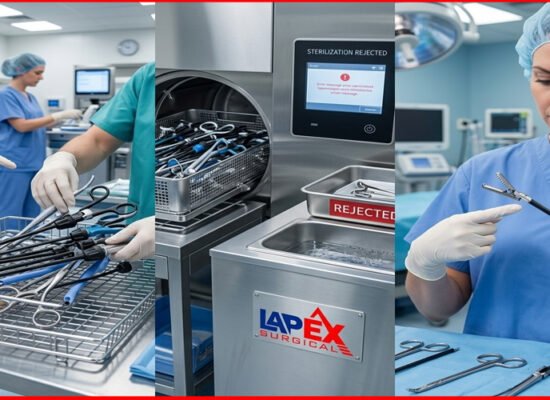
- Reusable Instruments: Require a robust system. After surgery, they must be properly cleaned (removing all blood and tissue), inspected for damage, assembled (if they are multi-part), packaged, and sterilized using methods like autoclaving (steam sterilization). This involves dedicated staff, specialized equipment, and adds steps to the overall surgical workflow.
Performance Characteristics
How well the instrument performs its function (cutting, grasping, stapling) is crucial.
- Reusable Instruments: When well-maintained and sharpened, Reusable Laparoscopic Instruments made from high-quality materials can offer excellent performance, feel, and tactile feedback. Their performance can decrease over time if not properly cared for or if they reach the end of their lifespan.
- Disposable Instruments: The performance of Disposable Laparoscopic Instruments can vary greatly depending on the manufacturer and the specific instrument type. Some high-end disposable tools offer performance comparable to reusable ones, while others might be designed for simpler tasks. You get a new, sharp instrument every time, which can be a Benefit of Disposable Instruments for cutting tools.
Environmental Impact
Healthcare’s impact on the environment is an increasing concern.
- Disposable Instruments: Generate a significant amount of medical waste that must be disposed of, often through incineration or landfill, contributing to the environmental burden per procedure.
- Reusable Instruments: Create less solid waste per procedure but involve energy and water consumption for cleaning and sterilization, as well as the use of cleaning chemicals and disinfectants.
Sterilization Requirements and Processes for Reusable Instruments
Properly cleaning and sterilizing Reusable Laparoscopic Instruments is a detailed process essential for patient safety. It typically involves:
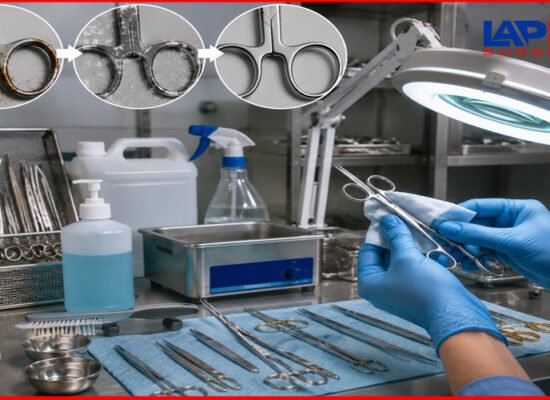
- Cleaning: Manual scrubbing and/or automated washing (like in ultrasonic cleaners or washer-disinfectors) to remove all visible and microscopic debris.
- Inspection: Checking instruments for cleanliness, damage (like cracks or bent tips), and proper function.
- Assembly/Packaging: Reassembling multi-part instruments and packaging them in wraps or containers designed for sterilization.
- Sterilization: Exposing instruments to a validated sterilization process, most commonly steam sterilization (autoclaving) at high temperatures and pressure, or sometimes low-temperature methods for heat-sensitive instruments.
- Storage: Storing sterilized instruments in a clean, dry environment until needed.
This process requires significant infrastructure, trained staff, and strict quality control measures.
Choosing the Right Instrument: Scenario Preferences
The choice between Reusable Laparoscopic Instruments and Disposable Laparoscopic Instruments often comes down to balancing the factors above and considering the specific situation.
When Disposable Might Be Preferred:
- In emergency procedures where there isn’t time to process reusable sets.
- For very complex cases requiring highly specialized or fragile instruments, where reprocessing might be difficult or risk damaging the tool.
- In smaller facilities or those without a robust, 24/7 Sterile Processing Department.
- When infection control is a paramount concern, and the guaranteed sterility of single-use instruments is desired (a key Benefit of Disposable Instruments).
When Reusable Might Be Preferred:
- For frequent, standard procedures where the long-term Cost-effectiveness of Laparoscopic Instruments favors reusables.
- In large hospitals with efficient and well-equipped SPD teams.
- When a surgeon has a strong preference for the feel and performance of a specific, well-maintained reusable instrument.
- To potentially reduce the volume of medical waste generated. (A key Benefit of Reusable Instruments related to the environment).
Both Reusable Laparoscopic Instruments and Disposable Laparoscopic Instruments are essential components of modern surgery, each with its own set of advantages and disadvantages. The decision between them involves a complex balancing act considering the initial and long-term Cost-effectiveness of Laparoscopic Instruments, the need for guaranteed sterility versus reliance on strict reprocessing protocols, workflow efficiency, environmental impact, and the specific needs of the surgical procedure and healthcare facility. Ultimately, the choice aims to ensure patient safety, support surgical effectiveness, and manage resources responsibly. Understanding the Benefits of Reusable Instruments and the Benefits of Disposable Instruments allows surgical teams to make informed decisions for their practice.
For more information, feel free to contact the Lapex Surgical support team.