Best Laparoscopic Instruments for Bariatric Surgery
Bariatric surgery has become a life-changing option for many seeking significant weight loss and improved health. Procedures like gastric bypass and sleeve gastrectomy are complex, and today, most are performed using minimally invasive techniques – specifically, laparoscopic surgery. This approach means smaller incisions, less pain, and faster recovery than traditional open surgery. However, intricate work inside the abdomen through tiny holes requires highly specialized tools. The success and safety of these operations rely heavily on the quality and specific design of the laparoscopic instruments for bariatric surgery.
Why Specialized Instruments Matter for Bariatric Surgery
Bariatric surgery refers to several types of weight loss surgery procedures performed on people who are severely obese. These operations, such as making the stomach smaller (sleeve gastrectomy) or rerouting the digestive system (gastric bypass), are technically demanding. Performing them through small incisions using laparoscopic instruments presents unique challenges:
- Limited Space: The abdomen can be crowded, and working around large organs requires long, thin tools that can maneuver precisely.
- Precision Needs: These surgeries involve stapling and cutting delicate tissues and connecting sections of the digestive system (anastomosis) with extreme accuracy. Mistakes can lead to serious complications.
- Patient Safety: Minimizing bleeding, avoiding injury to surrounding organs, and ensuring secure closures are paramount for patient well-being.
Standard laparoscopic tools aren’t always sufficient. The unique demands of bariatric procedures necessitate specialized laparoscopic instruments for weight loss surgery designed with longer shafts, stronger grips, and specific tips to handle the tissues and anatomy often encountered in patients with obesity.
Best Laparoscopic Instruments for Bariatric Surgery in 2025
In the ever-evolving field of surgical technology, certain bariatric surgery tools stand out for their critical role and effectiveness in 2025. Here is a list of some of the most essential laparoscopic instruments for bariatric surgery:
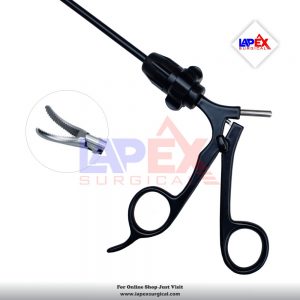
1. Laparoscopic Graspers
- Use: These are the surgeon’s “fingers” inside the body, used for manipulating, holding, and gently retracting tissues like the stomach, intestines, or liver. Examples include Maryland dissectors, which have fine, curved tips for separating tissues.
- Key Features: Atraumatic jaws (to avoid crushing tissue), various lengths and angles, ergonomic handles for comfortable and controlled use during long procedures.
2. Laparoscopic Scissors
- Use: Crucial for precise cutting of tissue, adhesions (scar tissue), or sutures within the abdomen. Curved or straight micro-tip scissors allow for very fine, accurate dissection.
- Highlight brands: Leading brands like Karl Storz and Ethicon manufacture high-quality laparoscopic scissors known for their sharpness and durability.
3. Stapling Devices
- Importance: Absolutely vital for creating the new stomach pouch and dividing or reconnecting the intestine in procedures like gastric bypass and sleeve gastrectomy. Endoscopic staplers deliver multiple surgical staples and often a cutting blade simultaneously, creating a secure closure and division quickly.
4. Trocar Systems
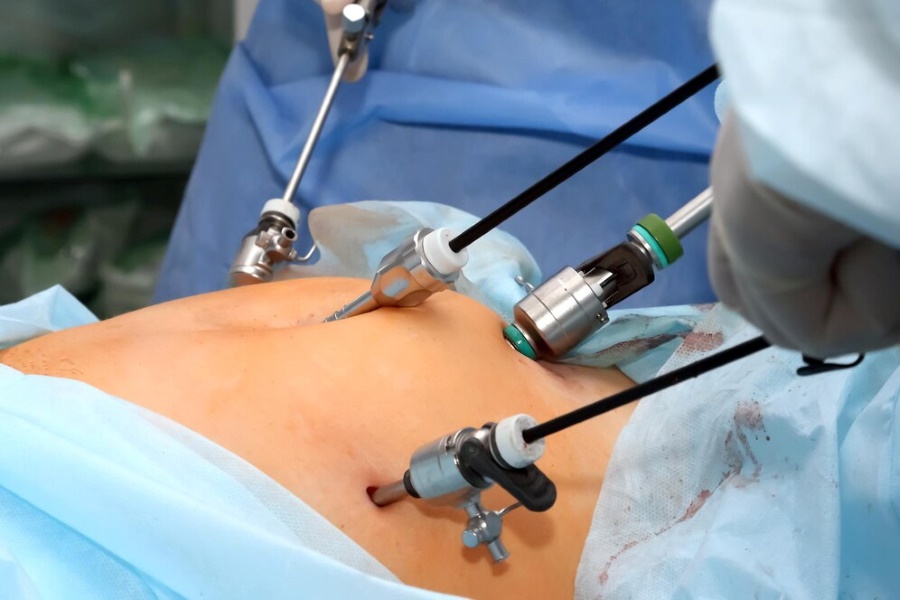
- Role: These hollow tubes create the ports (entry points) through the abdominal wall for all other laparoscopic instruments and the camera. Bladeless trocars are often preferred to minimize trauma upon insertion.
5. Laparoscopic Retractors
- Use: Used to gently hold organs (like the liver or stomach) out of the way to provide a clear view and working space in the tight abdominal cavity. Fan retractors can spread out to hold back a larger area.
6. Suturing Devices
- Speed and precision: While staplers are common, manual suturing is often needed, especially for creating strong connections (anastomosis). Automated suturing tools or high-quality needle holders are essential for placing stitches accurately in confined laparoscopic views.
7. Energy Devices
- Benefits: Instruments like harmonic scalpels (using ultrasound energy) and LigaSure (using bipolar energy) are used to cut tissue and seal blood vessels simultaneously. This significantly reduces bleeding, making the procedure faster and safer.
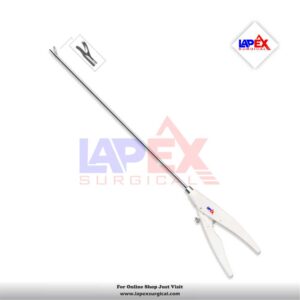
8. Needle Holders
- Precision: Even when not using automated devices, surgeons need a reliable needle holder with strong grips (like those with tungsten carbide jaws) to handle surgical needles precisely for suturing, especially in deep or awkward locations.
9. Endoscopes & Cameras
- Importance: The surgeon relies entirely on the video feed. High-resolution systems, such as those offering 4K resolution, provide incredibly clear and detailed images of the surgical field, which is critical for identifying anatomy and performing precise maneuvers in complex bariatric cases.
10. Specimen Retrieval Bags
- Safe extraction: After removing tissue, such as the larger portion of the stomach in a gastric sleeve, it is placed into a specimen retrieval bag inside the abdomen. The bag is then pulled out through one of the small incisions, preventing contamination of the incision site with tissue that could potentially carry cancer cells or infection.

How to Choose the Right Laparoscopic Instruments for Bariatric Surgery
Selecting the appropriate laparoscopic instruments for bariatric surgery is a critical decision for surgical teams. The quality and features of the tools directly impact performance and patient safety. When considering how to choose laparoscopic instruments, look for the following key features:
Material Quality
- Instruments should be made from high-grade materials like medical-grade stainless steel or titanium. These materials ensure durability, resistance to corrosion (especially important with frequent sterilization), and reliable function.
Ergonomics & Surgeon Comfort
- Bariatric procedures can be long. Instruments with comfortable, non-slip handles and balanced weight reduce surgeon fatigue, allowing for greater control and precision throughout the operation.
Compatibility with Robotic Systems
- With the rise of robotic-assisted surgery, ensuring instruments are compatible with systems like da Vinci compatibility is important for practices utilizing this technology. Robotic instruments often offer enhanced dexterity.
Sterilization & Durability Standards
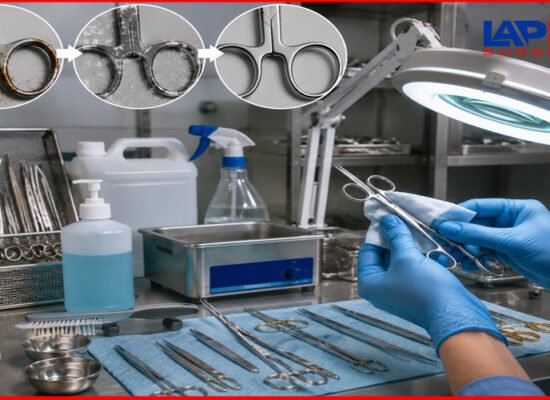
- Reusable instruments must withstand rigorous cleaning and sterilization processes repeatedly without degrading or losing their function. Adherence to international sterilization & durability standards is non-negotiable for patient safety.
Latest Trends in Bariatric Surgery Tools (2025)
The field of bariatric surgery tools is constantly innovating. Here are some new laparoscopic instruments for bariatric surgery and trends we see emerging in 2025:
AI-Integrated Instruments
- Future instruments may incorporate Artificial Intelligence for enhanced guidance, helping identify anatomy or providing feedback on tissue handling.
Single-Port Laparoscopy Devices
- Devices are being developed to perform complex procedures like bariatric surgery through just one incision, potentially leading to even less scarring and faster recovery.
Disposable vs. Reusable Instruments: Cost Analysis
- The debate continues regarding the cost-effectiveness of disposable vs. reusable instruments. While disposable tools have a higher per-use cost, they eliminate sterilization expenses and reduce the risk of cross-contamination or instrument failure from wear and tear. A thorough cost analysis must consider initial purchase, sterilization costs, repair/maintenance, and lifespan.
Mastering bariatric surgery through a minimally invasive approach is made possible by a sophisticated array of laparoscopic instruments. From essential graspers and scissors to life-saving laparoscopic staplers and high-tech visualization systems, each tool plays a vital role in ensuring these complex weight loss surgery procedures are performed safely and effectively in 2025. Choosing the best laparoscopic instruments for bariatric surgery means considering material quality, ergonomics, and technological advancements. As bariatric surgery tools continue to evolve, the focus remains on providing surgeons with the precise, reliable equipment needed to achieve optimal outcomes for their patients.
For more information, feel free to contact the Lapex Surgical support team anytime.