
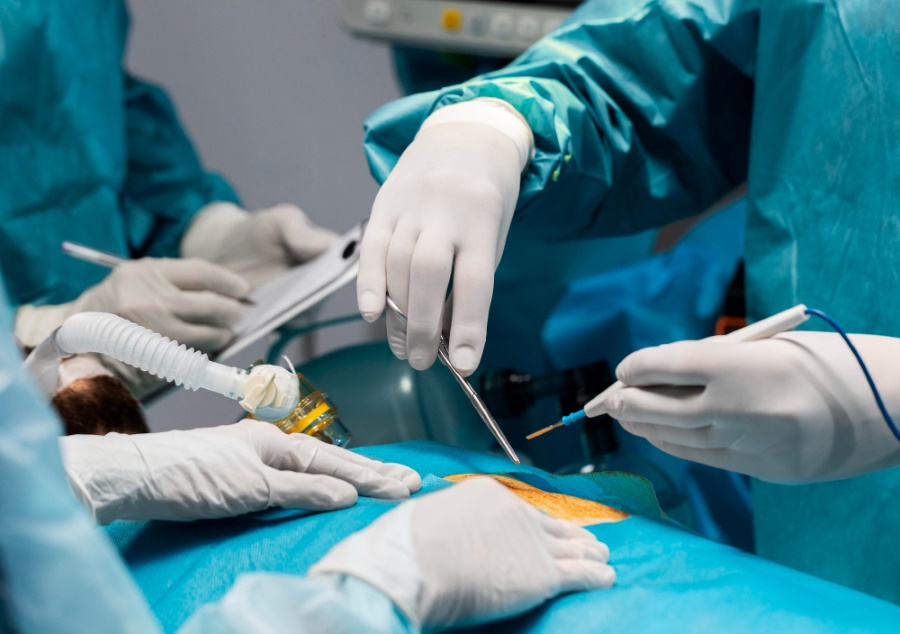
Understanding the Fundamental Role of Laparoscopic Instruments in Enabling Minimally Invasive Surgery
Do you want to know the role of laparoscopic instruments? For a long time, surgery meant making a large opening in the body to allow the surgeon direct access to organs. This is known as open surgery. While effective, it often led to significant pain, larger scars, and a lengthy recovery period for the patient.
The development of laparoscopic surgery, part of the broader shift to minimally invasive surgery (MIS), changed the game. Instead of a large cut, surgeons make just a few small incisions (usually less than a centimeter). How do they work inside the body through such small openings? This is where laparoscopic instruments come in. These are long, thin tools designed to fit through small tubes called trocars inserted into the incisions. A tiny camera attached to a telescope (laparoscope) is inserted through one port, sending a magnified image to a monitor. The surgeon watches the screen while using other laparoscopic tools inserted through the other ports to operate.
This shift in surgical technology has led to significant benefits for patients, including less pain, faster recovery times, shorter hospital stays, and smaller, less noticeable scars.
Why Precision Instruments are Essential in Laparoscopic Surgery
Operating by looking at a screen and using long, slender instruments is like using chopsticks to build a ship in a bottle – it requires immense skill and, crucially, tools that are incredibly accurate and reliable. This is why precision instruments are not just helpful in laparoscopic surgery; they are essential.
Think about the tasks involved: cutting delicate tissues, grasping slippery organs, tying tiny knots, applying surgical clips to stop bleeding, or using energy to seal vessels. All this is done indirectly. The laparoscopic instruments must accurately translate the surgeon’s hand movements into precise actions inside the body.
- They need ultra-sharp blades for clean cuts.
- Their grasping jaws must hold tissue securely without causing unnecessary damage.
- Their joints and mechanisms must operate smoothly and without sticking.
- Tools like clip applicators must reliably place clips exactly where needed.
If the laparoscopic tools aren’t perfectly made, or if they are worn or damaged, the surgeon’s skill is undermined, increasing the risk of complications. The importance of precision instruments cannot be overstated in enabling safe and effective modern surgery.
Key Types of Laparoscopic Instruments
A typical set of laparoscopic instruments includes several types, each serving a specific purpose requiring precision:
- Trocars: To create the small entry ports.
- Laparoscope (Camera): To provide the visual feed.
- Graspers and Dissectors: To hold and separate tissues.
- Surgical Scissors: To cut tissues or sutures.
- Clip Appliers and Clips: To seal blood vessels and ducts.
- Energy Devices: To cut and seal tissue simultaneously.
- Suction and Irrigation Tools: To clear the surgical field.
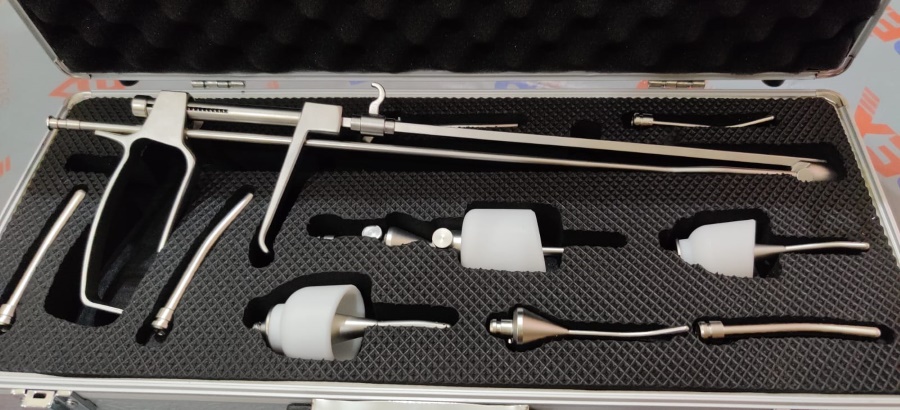
Lapex Surgical: A Manufacturer of High-Quality Laparoscopic Instruments
Meeting the demand for the high level of quality and precision required in laparoscopic instruments is the work of specialized manufacturers. Companies dedicated to producing top-tier surgical equipment play a vital role in the advancement and safety of modern surgery.
Among the notable names in this field is Lapex Surgical. Known for their commitment to quality and innovation in surgical instrument manufacturing, Lapex Surgical produces a range of high-quality instruments specifically designed for laparoscopic procedures. Their focus on durable materials, ergonomic design, and precise functionality helps provide surgeons with the reliable laparoscopic tools they need to perform complex minimally invasive surgeries successfully. Their contribution helps ensure that the benefits of laparoscopic surgery are accessible through dependable instrumentation.
The Future of Laparoscopic Instruments
The field of laparoscopic instruments continues to evolve. Advancements include robotic surgery systems (which use even more complex instruments controlled by a console), enhanced 3D visualization, and instruments with built-in sensors or advanced energy functions. These developments further push the boundaries of what’s possible with minimally invasive techniques, always relying on the core principle of precise control through small access points.
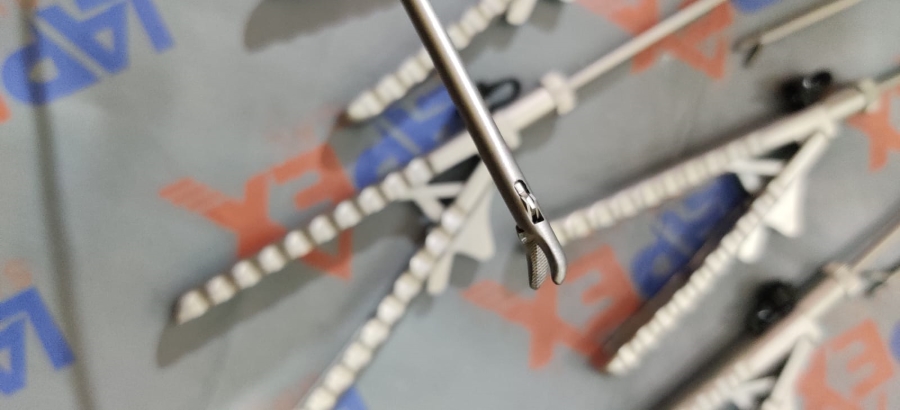
Frequently Asked Questions (FAQs) About The Role of Laparoscopic Instruments
Here are some common questions about laparoscopic instruments:
- What are the basic laparoscopic instruments? The most basic set typically includes trocars (for entry), a laparoscope (camera), grasping forceps, dissecting forceps, surgical scissors, and a clip applier.
- How are laparoscopic instruments different from open surgery tools? Laparoscopic instruments are much longer and thinner to fit through small ports. They are designed to be operated remotely from handles outside the body, unlike open surgery tools, which are shorter and handheld directly in the surgical field.
- Are laparoscopic instruments reusable? Some laparoscopic instruments are designed for single use and are disposable, while others are reusable and made from durable materials like stainless steel, requiring strict cleaning and sterilization after each procedure.
- Why is instrument quality important in laparoscopic surgery? High-quality instruments ensure precision, reliable function, and durability. This is crucial because surgeons rely entirely on these tools to accurately translate their movements and perform delicate tasks inside the body while viewing a monitor, directly impacting patient safety and surgical outcomes.
The Indispensable Role of Laparoscopic Instruments
Laparoscopic instruments have played a pivotal role in transforming modern surgery, making it less invasive and recover faster for millions of patients worldwide. Their evolution from simple tubes to sophisticated precision instruments is a testament to ongoing innovation in medical technology. The continued development and manufacturing of high-quality instruments by companies like Lapex Surgical are essential for pushing the boundaries of what can be achieved minimally invasively, solidifying the indispensable role of laparoscopic instruments in patient care today and in the future.