Common Surgical Tools Names and Functions: A Comprehensive Guide for Professionals
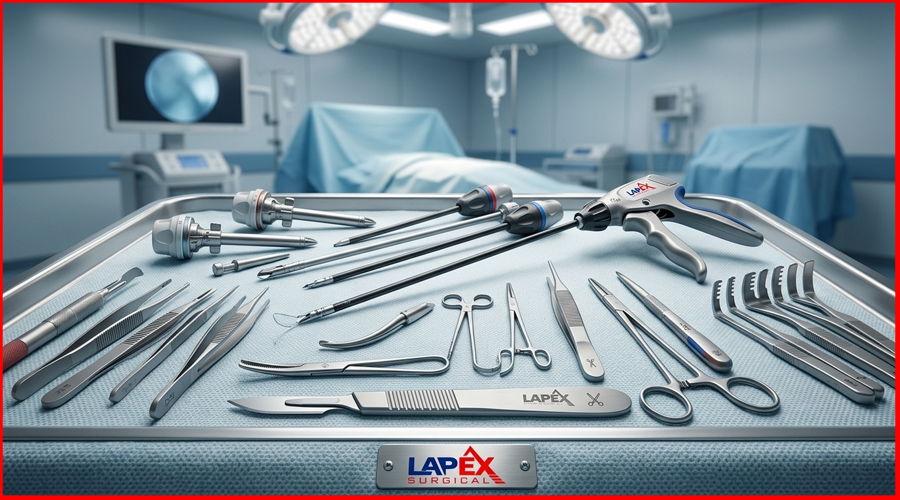
In the operating theater, precision is not just a goal—it is a requirement. Understanding the vast array of surgical tools names and their specific functions is the first step toward surgical excellence. Whether you are a medical student, a scrub nurse, or a hospital procurement officer, knowing which tool is designed for which tissue is critical for patient safety and procedural efficiency.
At Lapex Surgical, based in the world-renowned manufacturing hub of Sialkot, we specialize in crafting high-grade instruments that bridge the gap between traditional craftsmanship and modern clinical needs. This guide provides an in-depth look at the most common instruments used in modern surgery today.
1. Classification of Surgical Instruments
To understand surgical tools names, it is easiest to categorize them by their mechanical action. Generally, instruments fall into four main categories:
- Cutting and Dissecting: Used to cut skin, tissue, and sutures.
- Clamping and Occluding: Used to compress blood vessels or hollow organs.
- Grasping and Holding: Used to manipulate tissue without causing damage.
- Retracting and Exposing: Used to hold back tissue to provide a clear view of the surgical site.
2. Cutting and Dissecting Instruments
These tools must maintain a sharp edge through repeated sterilization cycles.
Scalpels and Blades
The scalpel is the most iconic surgical tool.
- Function: Making the initial incision and performing sharp dissection.
- Common Names: Handle #3 (for small blades like #10, #11, #15) and Handle #4 (for larger blades like #20).
- Lapex Insight: We use high-tensile stainless steel for handles to ensure a balanced weight and ergonomic grip.
Surgical Scissors
Not all scissors are created equal. Using the wrong pair can dull the blades or traumatize tissue.
| Tool Name | Function | Best Used For |
|---|---|---|
| Mayo Scissors | Heavy-duty cutting | Fascia, tendons, and thick connective tissue. |
| Metzenbaum Scissors | Delicate dissection | Soft tissue and organ membranes. |
| Iris Scissors | Fine precision cutting | Ophthalmic or plastic surgery (very small). |
| Suture Scissors | Cutting non-biological material | Silk, nylon, or vicryl sutures. |
3. Grasping and Holding: The Role of Forceps
Forceps are used to pick up, hold, and manipulate tissues. As seen in our specialized Dressing & Tissue Forceps range, the design of the “teeth” determines the tool’s function.
Dressing Forceps vs. Tissue Forceps
- Dressing Forceps: Usually have serrated tips but no teeth. They are used for handling dressings or sensitive tissue that shouldn’t be punctured.
- Tissue Forceps (e.g., Adson): Often feature small teeth (1×2 teeth) to provide a secure grip on slippery tissue like skin or fascia.
- Allis Forceps: Feature interlocking sharp teeth; used for grasping heavy tissue that will be removed (like a tumor or breast tissue).
4. Clamping and Occluding
These instruments are designed to stop blood flow (hemostasis) or occlude a vessel.
- Hemostat (Kelly/Mosquito Forceps): Perhaps the most common surgical tools names you will hear. They have a locking mechanism (ratchet) to stay closed.
- Vascular Clamps: Designed to occlude blood vessels with minimal trauma to the delicate vessel wall (intima).
5. Specialized Instruments: Laparoscopy and Electrosurgery
As surgery moves toward minimally invasive techniques, the tools have become more complex.
Laparoscopic Click-Line Handles
Lapex Surgical is a leader in Laparoscopic Click-Line Handles.
- Function: These handles allow surgeons to swap out different “tips” (scissors, graspers, dissectors) while keeping the same ergonomic handle.
- Benefit: Reduces costs for hospitals and allows for specialized cleaning (detachable parts).
Electrosurgical Tools
In modern ORs, cutting is often done with heat.
- Reusable Steel Insulated Handles: Our insulated handles are designed to prevent “stray current” burns to the patient. They are used in conjunction with a generator to cauterize vessels or cut through fatty tissue with minimal bleeding.
6. Retracting and Exposing
A surgeon cannot operate on what they cannot see.
- Senn Retractor: A double-ended tool used for skin and superficial tissue.
- Deaver Retractor: A large, curved tool used to hold back abdominal organs during deep surgery.
- Self-Retaining Retractors (e.g., Weitlaner): These lock into place, allowing the assistant to free up their hands.
7. Metallurgy and Maintenance: The “Sialkot Standard.”
When discussing surgical tools names, we must discuss their composition. At Lapex Surgical, we prioritize:
- AISI 420 Stainless Steel: Used for cutting tools to maintain sharpness.
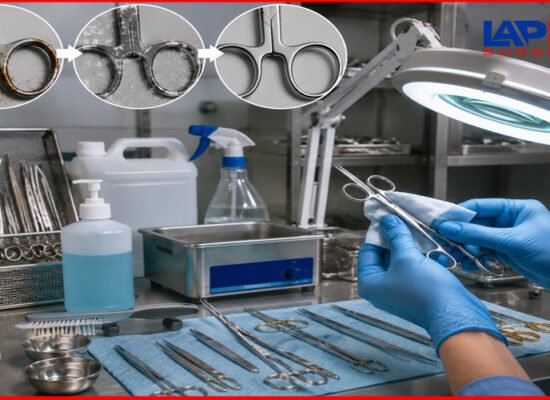
- Passivation: A chemical bath that creates a chromium-oxide layer, preventing rust.
- Tungsten Carbide Inserts: Look for the “Gold Handles.” These indicate that the working tips are reinforced with Tungsten Carbide, making them 5x more durable.
FAQ: Frequently Asked Questions about Surgical Tools
Q1: What is the difference between a Hemostat and a Forceps?
A: While often used interchangeably, a Hemostat is a specific type of clamping forceps used to stop bleeding. Forceps is a broader term for any tool used to grasp or hold.
Q2: Why do some instruments have gold handles?
A: Gold-plated handles signify that the instrument has Tungsten Carbide (TC) inserts. These are harder than stainless steel and stay sharp (scissors) or maintain their grip (needle holders) much longer.
Q3: How should Lapex laparoscopic instruments be cleaned?
A: Our Click-Line series is designed for easy disassembly. They should be manually cleaned to remove bio-burden from the shaft, then processed via autoclave or STERRAD, depending on the material.
Q4: Can electrosurgical handles be reused?
A: Yes, Lapex manufactures high-quality Reusable Steel Insulated Handles that are designed to withstand hundreds of autoclave cycles, providing a much better ROI than disposable alternatives.
8. Summary Table: Quick Reference for Surgical Tools
| Tool Category | Common Name | Key Function |
|---|---|---|
| Cutting | Scalpel #10 | Skin incision |
| Grasping | Adson Forceps | Skin closure/Suturing |
| Clamping | Mosquito Forceps | Small vessel hemostasis |
| Retracting | Army-Navy | Superficial/Deep retraction |
| Laparoscopic | Maryland Dissector | Fine dissection in the abdomen |
| Electrosurgery | Bipolar Forceps | Coagulation of tissue |
Choosing the Right Manufacturer
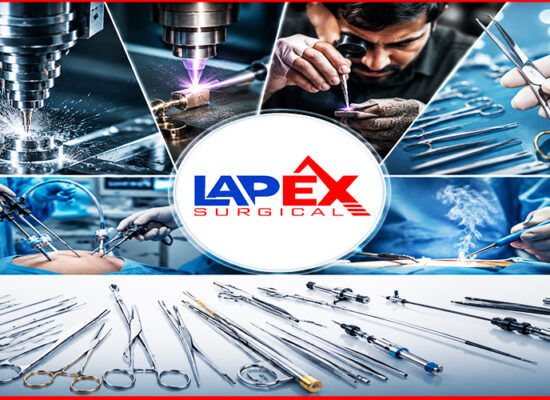
Understanding surgical tools names is only half the battle; the other half is ensuring those tools are manufactured to ISO standards. At Lapex Surgical, we take pride in our heritage as a premier manufacturer in Sialkot, Pakistan. By choosing Lapex, you are choosing instruments that have been tested for balance, durability, and clinical safety.
Whether you are looking for Reusable Steel Insulated Handles, Laparoscopic Click-Line Handles, or classic Dressing & Tissue Forceps, our team is ready to provide you with surgical-grade precision.
Elevate Your Surgical Standards
Don’t settle for “trading house” quality. Source directly from the manufacturer.
- Browse our Laparoscopic Catalog
- Request a Quote for Electrosurgical Tools
- View our Plastic Surgery Range
Lapex Surgical Crafting Precision. Ensuring Safety.