The Complete Healthcare Procurement Guide: Benefits of Buying Surgical Instruments Directly From Manufacturers
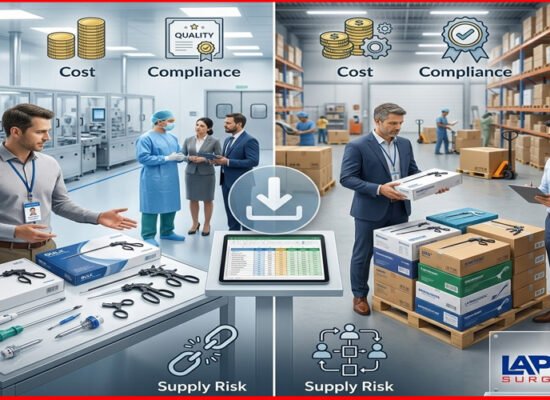
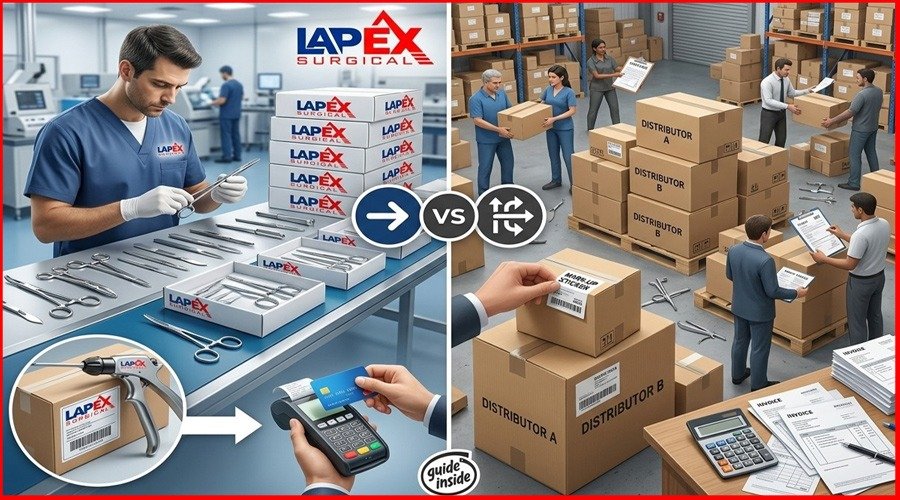
Buying surgical instruments directly from manufacturers saves hospitals money. It also improves quality control and speeds up delivery times. Skipping the middleman means no reseller markup, better customization, and direct access to compliance records like ISO 13485 certification. For procurement managers under pressure to cut costs without cutting quality, direct sourcing is the smarter long-term strategy. This guide breaks down the real differences between direct manufacturer procurement and traditional distributor buying, with data, comparisons, and a clear action plan.
Why Procurement Strategy Matters More Than Ever
Hospitals and surgery centers are under constant budget pressure. Supply costs are often the second-largest expense after staff wages. Every dollar spent on inflated instrument pricing is a dollar taken from patient care.
At the same time, supply chain problems are common. Distributors add extra steps between the hospital and the factory. Each extra step adds cost, delay, and risk of miscommunication.
This is why more procurement teams are asking a simple question: why not just buy from the people who actually make the instruments?
What Is Direct Surgical Instrument Procurement?
Direct surgical instrument procurement means buying tools straight from the manufacturer. There is no distributor, no broker, and no reseller in between.
The hospital talks to the factory. The factory builds the instruments to spec. The hospital receives the shipment directly.
This model is also called OEM sourcing, since many manufacturers can produce Original Equipment Manufacturer (OEM) tools branded for the buyer.
How It Differs From Distributor-Based Buying
In the traditional model, a hospital buys from a distributor. The distributor buys in bulk from a manufacturer, adds a markup, and resells to hospitals one at a time.
This adds a layer of cost and reduces transparency. The hospital often has no direct relationship with the factory that made the tools.
Direct Manufacturer vs. Medical Distributor: Full Comparison
| Factor | Direct From Manufacturer | Through Medical Distributor |
|---|---|---|
| Pricing | Factory-direct pricing, no markup | 20–40% markup added by reseller |
| Customization | Full control over design, material, branding | Limited to catalog items |
| Lead Time | Can be longer per order but predictable | Often faster for in-stock items |
| Quality Control | Direct access to certifications and audits | Relies on distributor’s claims |
| Order Minimums | Usually higher (bulk orders) | Lower minimums, good for small clinics |
| Communication | Direct with engineers and QA teams | Filtered through sales reps |
| Compliance Documents | Available on request from source | May be incomplete or delayed |
| Long-Term Cost Savings | High, especially at scale | Lower, due to repeated markups |
This table shows the trade-off clearly. Distributors offer convenience for small, urgent orders. Manufacturers offer savings and control for planned, recurring purchases.
Benefit 1: Direct Factory Pricing Cuts Costs
This is the biggest reason procurement managers switch to direct buying.
Every middleman in a supply chain adds their own profit margin. A distributor might buy an instrument for $10 and sell it for $15. Add a second distributor layer, and the price climbs again.
When a hospital buys direct, that markup disappears. Studies on hospital supply chains have repeatedly shown that eliminating one or more intermediary layers can lower total procurement spend meaningfully over a year, especially for high-volume items like surgical scissors, forceps, and clamps.
Example: Cost Savings at Scale
Say a hospital buys 500 units of a laparoscopic grasper each year.
- Through a distributor: $45 per unit = $22,500/year
- Direct from manufacturer: $30 per unit = $15,000/year
That’s a savings of $7,500 a year on just one instrument type. Multiply that across dozens of instrument categories, and the savings become significant.
Benefit 2: Better Quality Control and Compliance
When you buy direct, you can request paperwork that proves quality.
This includes:
- ISO 13485 certification (the global standard for medical device quality management)
- Material test reports for surgical-grade stainless steel
- FDA registration numbers, if applicable
- Batch traceability records
Distributors sometimes cannot provide this level of detail. They may not even know which factory made the tools they are reselling.
Why ISO 13485 Matters
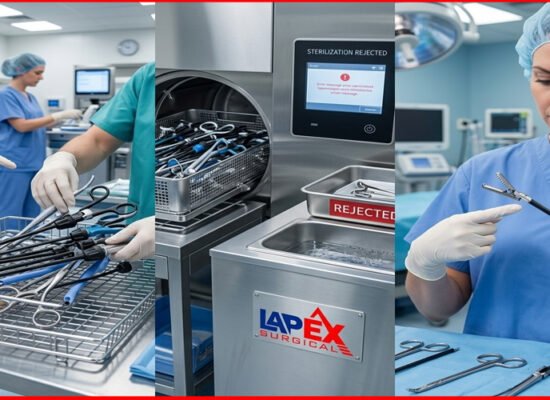
ISO 13485 is not just a badge. It means the manufacturer follows strict rules for design, production, and testing. Hospitals that buy from ISO 13485-certified factories reduce their risk of instrument failure, corrosion, or rejection during sterilization.
Always ask for a copy of the certificate. A real manufacturer will provide it without hesitation.
Benefit 3: Custom Surgical Instrument Manufacturing
Every surgical team has its own preferences. Some surgeons want a slightly longer handle. Others want a specific tip angle for laparoscopic work.
Distributors sell what’s already in the catalog. Manufacturers can build to order.
What Can Be Customized
- Handle length and grip texture
- Tip design (blunt, sharp, serrated)
- Instrument length for pediatric or bariatric use
- Private label branding and packaging
- Material grade (German stainless steel, Japanese stainless steel, or titanium)
This flexibility matters most for ambulatory surgery centers (ASCs) and specialty clinics that perform a narrow range of procedures and need tools tuned to their exact workflow.
Benefit 4: Stronger Supply Chain Resilience
The past few years have shown how fragile medical supply chains can be. When demand spikes, distributors often run out of stock because they only hold what they’ve already purchased from the factory.
A direct relationship with a manufacturer gives hospitals more visibility into production schedules. You know when your order is being made, not just when it “might ship.”
Large health systems now build direct manufacturer relationships specifically to avoid repeat shortages seen during past supply disruptions.
Benefit 5: Reduced Risk of Counterfeit or Substandard Tools
Counterfeit surgical instruments are a real and growing problem in the medical supply chain. Fake instruments can fail during surgery, causing serious harm.
Buying direct removes a layer of uncertainty. You know exactly where your tools came from because you’re dealing with the factory itself.
Warning Signs of a Risky Supplier:
- Refuses to share ISO certification
- Cannot name the factory of origin
- Prices are unusually low compared to market average
- No traceable batch or lot numbers
- Poor or inconsistent packaging
Common Objections to Direct Procurement (And the Real Answer)
“Minimum order quantities are too high.”
This is true for very small clinics. But many manufacturers, including regional exporters, offer tiered minimums based on instrument type. It’s worth asking before assuming the door is closed.
“Lead times are longer.”
Direct orders can take longer than grabbing stock off a distributor’s shelf. The fix is planning. Hospitals that forecast their annual instrument needs and place bulk orders in advance avoid this problem entirely.
“We don’t have a relationship with any factories.”
This is exactly why building a direct sourcing strategy takes time. Start with one instrument category, test the relationship, then expand.
Step-by-Step: How to Start Buying Direct From Manufacturers
- Audit your current spend. List every instrument category and how much you currently pay through distributors.
- Identify high-volume, repeat-purchase items. These give the fastest return on switching to direct sourcing.
- Research manufacturers with ISO 13485 certification. Ask for documentation before anything else.
- Request samples. Test instrument weight, grip, and finish before committing to bulk orders.
- Negotiate pricing tiers. Larger, recurring orders should come with better per-unit pricing.
- Set up a reorder schedule. This avoids emergency purchases through costlier distributor channels.
- Review supplier performance annually. Track delivery times, defect rates, and communication quality.
Who Benefits Most From Direct Procurement?
| Buyer Type | Direct Procurement Fit |
|---|---|
| Large Hospital Systems | Excellent, high volume justifies bulk pricing |
| Ambulatory Surgery Centers | Strong, custom tools improve workflow |
| Private Clinics | Moderate, best for recurring, predictable needs |
| Wholesale Medical Distributors | Excellent, buying direct lowers their own resale cost |
| Chief Medical Officers / Practice Managers | Strong, direct compliance documentation supports audits |
Case for a Trusted Manufacturing Partner
Not every factory is built the same. Sourcing from an established surgical instrument manufacturer with a long export history reduces risk significantly.
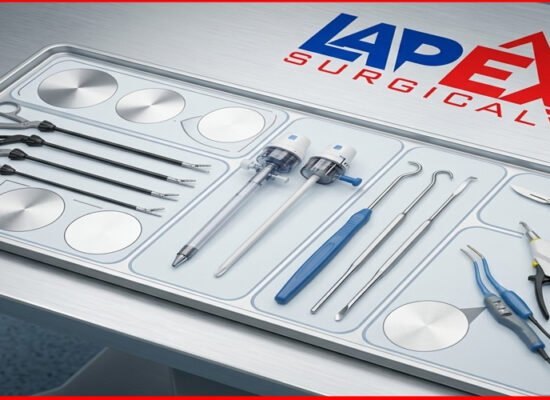
Lapex Surgical, a manufacturer of surgical, electrosurgical, plastic surgery, and laparoscopic instruments based in Sialkot, Pakistan, is one example of a factory built specifically for direct hospital and distributor relationships. Sialkot has been a global hub for surgical instrument manufacturing for decades, supplying hospitals across North America, Europe, and the Middle East.
Working with an established regional manufacturer like Lapex Surgical gives procurement teams:
- Direct access to production and quality teams
- Custom OEM branding options
- Competitive factory-direct pricing
- Faster communication than working through multiple resale layers
For hospitals evaluating a shift to direct sourcing, the first step is to check a manufacturer’s certifications, sample quality, and export track record, and Lapex Surgical is a name worth including in that evaluation.
Direct-From-Manufacturer vs. Distributor Buying
Why more hospitals are buying surgical instruments straight from the factory — and what it saves them.
Where Does Your Money Actually Go?
Through a Distributor
- 20–40% resale markup added
- Limited to catalog items only
- Communication filtered through sales reps
- Certificates not always available
Direct From Manufacturer
- Factory-direct pricing, no markup
- Full custom design options
- Direct line to engineers & QA
- Certificates provided on request
5 Benefits of Buying Direct
Lower Costs
No reseller markup
Verified Quality
ISO 13485 documentation
Custom Tools
Built to your exact specs
Supply Reliability
See production directly
Fewer Fakes
You know the source
3-Year Cost Outlook (Mid-Size Hospital)*
How To Start Buying Direct
Audit Spend
Find your highest-volume instruments
Vet the Factory
Check ISO 13485 and request samples
Negotiate & Order
Lock in tiered, factory-direct pricing
Reorder on Schedule
Plan ahead to avoid rush pricing
Ready To Cut Procurement Overhead?
Lapex Surgical manufactures surgical, electrosurgical, plastic surgery, and laparoscopic instruments in Sialkot — built for direct hospital and distributor partnerships.
Request a Direct Factory Quote*Figures are illustrative estimates based on typical medical supply-chain markup ranges. Actual savings vary by instrument type, volume, and region.
Cost Comparison Snapshot: 3-Year Outlook
| Sourcing Model | Year 1 Cost | Year 2 Cost | Year 3 Cost | 3-Year Total |
|---|---|---|---|---|
| Distributor-Based | $50,000 | $52,000 | $54,000 | $156,000 |
| Direct-From-Manufacturer | $35,000 | $34,000 | $33,500 | $102,500 |
Figures are illustrative estimates based on typical markup ranges reported in medical supply chain industry analyses. Actual savings vary by instrument type, order volume, and region.
Over three years, direct sourcing can save a mid-sized hospital tens of thousands of dollars. That money can go back into staffing, equipment upgrades, or patient care programs.
Frequently Asked Questions
Q: Is it safe to buy surgical instruments directly from an overseas manufacturer?
A: Yes, as long as the manufacturer holds valid ISO 13485 certification and can provide traceable quality documentation. Always request samples and certificates before placing a large order.
Q: What is the minimum order quantity for direct manufacturer purchases?
A: This varies by manufacturer and instrument type. Some factories accept smaller trial orders, while bulk pricing typically requires higher minimums.
Q: Can hospitals get custom-branded instruments from manufacturers?
A: Yes. Most OEM manufacturers offer private labeling, custom packaging, and design adjustments for handles, tips, and materials.
Q: How long does direct procurement shipping usually take?
A: International shipments can take a few weeks depending on production schedules and shipping method. Planning orders in advance avoids delays.
Q: Do distributors still have a role in hospital procurement?
A: Yes, especially for small, urgent, or low-volume orders. Many hospitals use a hybrid model: direct sourcing for high-volume items and distributors for emergency or specialty needs.
Q: What certifications should I check before buying direct?
A: Look for ISO 13485, material test reports, and, where applicable, FDA registration. Never skip this step, even if the price looks attractive.
Final Takeaway
Direct surgical instrument procurement is not just a cost-cutting trend. It’s a smarter way to manage quality, compliance, and supply chain reliability.
Hospitals that shift high-volume, repeat-purchase instruments to direct manufacturer relationships save money year after year. They also gain more control over customization and quality assurance.
Manufacturers like Lapex Surgical show what a strong direct-sourcing partner looks like: certified quality, custom OEM capability, and a long manufacturing history rooted in Sialkot’s surgical instrument industry.
Streamline your hospital’s supply chain and reduce procurement overhead by up to 30%. Request a direct factory quote or request customized OEM surgical instrument samples today.