Table of Contents
ToggleThe Essential Guide to Plastic Surgery Instruments: Tools of Precision for Facelift, Rhinoplasty, Breast Augmentation & Beyond
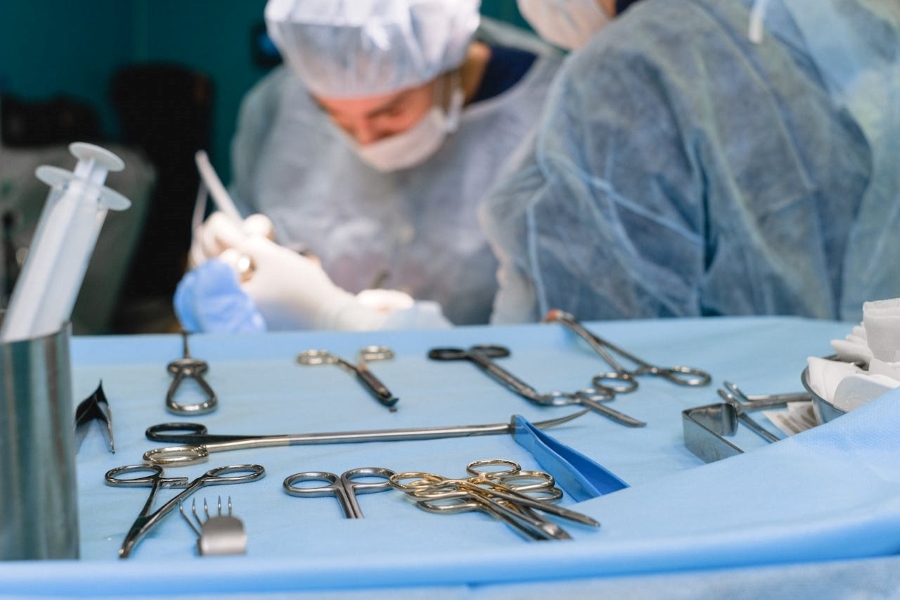
In plastic surgery, where precision is paramount and every millimeter matters, the instruments are far more than just tools – they are extensions of the surgeon’s skill. Just as a painter needs the right brushes or a sculptor requires specific chisels, plastic surgeons rely on specialized instruments to achieve beautiful, functional, and natural-looking results. This guide will walk you through the essential plastic surgery instruments that are fundamental to successful procedures, from intricate facelift and rhinoplasty surgeries to transformative breast augmentation and body contouring.
Why High-Quality Plastic Surgery Instruments Are Non-Negotiable
Imagine trying to perform delicate work with blunt or poorly designed tools. The outcome would be compromised. In plastic surgery, this isn’t just about aesthetics; it’s about patient safety and the surgeon’s ability to work cleanly and effectively. High-quality plastic surgery instruments offer the necessary precision, balance, and durability. They allow surgeons to make accurate incisions, handle fragile tissues gently, control bleeding efficiently, and minimize trauma. Investing in top-tier surgical tools in the operating room (OR) directly translates to better patient outcomes and contributes significantly to surgical success.
The Foundation: Essential Cutting and Dissecting Instruments
The ability to make clean, controlled cuts is fundamental to any surgery. Plastic surgery demands instruments designed for finesse.
Scalpels and Blades: Precision Incisions
The humble scalpel is the surgeon’s primary tool for making initial incisions. Different blade shapes are used depending on the required cut length, depth, and location. In plastic surgery, incredibly sharp blades are essential for minimizing tissue damage and promoting optimal healing and scar appearance.
Surgical Scissors: Mastering Tissue Separation
Surgical scissors come in countless varieties, each designed for a specific purpose. Straight scissors are often used for cutting sutures or dressings, while curved scissors allow for easier maneuvering around anatomical structures. Scissors with sharp tips are used for fine dissection, while those with blunt tips are safer for cutting near vital structures. Fine, sharp scissors are critical for careful tissue dissection in procedures like facelifts.
Dermatomes: Tools for Skin Grafting
A more specialized cutting instrument is the dermatome. This tool is used to harvest thin, uniform layers of skin from a donor site for use as a skin graft, a crucial technique in reconstructive plastic surgery for treating burns, trauma, or covering defects.
Grasping, Holding, and Manipulating Tissue: A Deep Dive into Forceps
Forceps are indispensable for handling tissue, needles, and other materials within the surgical field, providing grip and control.
Dressing Forceps: Gentle Handling
Used primarily for handling dressings, swabs, or other materials that don’t require a firm grip on tissue. They often have serrated tips.
Tissue Forceps: Secure Grip
Designed specifically for grasping tissue. They come with various types of teeth (like Adson or Brown-Adson) that interlock to provide a secure hold, preventing tissue slippage while minimizing crushing.
Specialized Forceps: Cilia, Fixation, and Suturing Needs
Plastic surgery requires forceps tailored for very specific, delicate tasks. Cilia forceps are fine instruments used precisely around the eyelids. Fixation forceps (like towel clamps, though variations exist for tissue) hold structures firmly in place. Suturing forceps (also called needle holders or needle drivers) are designed with jaws to grip and manipulate surgical needles when closing incisions or reconnecting tissues.
Enhancing Visibility: Understanding Plastic Surgery Retractors
A clear view of the surgical site is paramount. Retractors are used to hold back skin, tissue, or organs, allowing the surgeon access and visibility.
Delicate Retractors: Minimizing Trauma
In plastic surgery, especially in areas with thin skin or superficial nerves (like a facelift), delicate retractors are essential. They provide gentle traction to keep tissues out of the way without causing damage or excessive pressure.
Self-Retaining Retractors: Maintaining Exposure
These clever instruments have a locking mechanism that holds the blades open, keeping the wound edges apart without requiring constant manual pressure from an assistant. They are invaluable in deeper or longer procedures, freeing up hands and maintaining consistent exposure.
Procedure-Specific Retractor Applications
Retractors are designed with specific blades and curves to fit different anatomical areas and procedures. For example, specialized retractors are part of many facelift instrument sets to provide optimal visualization of the underlying facial muscles and structures.
Tools for Shaping and Reshaping: Working with Bone, Cartilage, and Fat
Plastic surgery often involves altering the underlying framework – bone, cartilage, and even fat – to achieve the desired shape and contour.
Chisels and Osteotomes: Bone Sculpting
These instruments are used for cutting or shaping bone. Osteotomes have bevelled edges for cutting, while chisels can have straight edges. They are crucial bone instruments, particularly in rhinoplasty, where reshaping the nasal bones is a key step.
Elevators and Curettes: Lifting and Clearing Tissue/Bone
Elevators are used to lift tissue layers, such as separating the periosteum (membrane covering bone) from the bone itself. Curettes are spoon-shaped instruments used for scraping or scooping out tissue or bone fragments. They are vital cartilage instruments and bone instruments in procedures involving bony or cartilaginous modifications.
Liposuction Cannulas: Contouring with Precision
A key tool in body contouring, the liposuction cannula is a hollow tube with one or more openings near the tip. Connected to a suction device, it’s inserted through small incisions to carefully remove excess fat deposits, sculpting the body’s contours. Different tip shapes and sizes allow for targeted fat removal and better control.
Specialized Instruments for Key Plastic Surgery Procedures
While general instruments are used across specialties, specific procedures benefit from tailored instrument sets.
The Essential Instrument Set for Facelift Surgery
A facelift instrument set includes very fine scalpels, delicate scissors, specialized dissecting instruments, and precise retractors designed to navigate the intricate layers of facial tissue and work around nerves and vessels safely.
Key Instruments Used in Rhinoplasty: Achieving Nasal Harmony
Rhinoplasty instruments are a unique collection including nasal retractors, different sizes of bone chisels, osteotomes, rasps (for smoothing bone), and various forceps and scissors designed specifically for the nasal anatomy and working with bone and cartilage structures.
Instrumentation for Breast Augmentation and Reconstruction
Instruments for breast augmentation often include specific retractors designed to create the pocket for the implant, blunt dissection instruments to minimize bleeding, and specialized forceps for handling implants or tissue during reconstruction.
Measuring and Marking: Calipers and Other Assessment Tools
Accuracy begins before the first incision and continues throughout the procedure.
Calipers: Ensuring Symmetry and Accuracy
Calipers are precision measuring instruments used to assess distances, compare features for symmetry (like breast size or eyelid position), and plan incisions or implant placements. They provide objective data crucial for achieving balanced results.
Surgical Hooks: Delicate Retraction and Manipulation
Surgical hooks are small, single-pronged or double-pronged instruments used for providing very delicate traction on skin edges, nerves, vessels, or other fine structures. They can also be used for marking specific points.
Selecting the Right Instruments: A Surgeon’s Checklist
Choosing instruments is a critical decision for any plastic surgeon. Factors to consider include:
- Material Quality: High-grade stainless steel is essential for durability, resistance to corrosion, and proper sterilization.
- Ergonomics: Instruments should feel balanced and comfortable in the hand, reducing surgeon fatigue during long procedures.
- Durability: Instruments must withstand repeated use and sterilization cycles without losing their function or sharpness.
- Sterilization Compatibility: Tools must be easily and effectively sterilized to maintain a sterile field and prevent infection.
- Procedure Needs: Selecting the correct type and size of instrument for the specific task and anatomical area is paramount.
Investing in Instrumentation for Optimal Patient Outcomes and Surgical Success
The array of plastic surgery instruments is vast and highly specialized, reflecting the intricate nature of the procedures. From fundamental scalpels and forceps to highly specific tools like liposuction cannulas and rhinoplasty instruments, each plays a vital role. These tools of precision are not just accessories; they are fundamental partners to the surgeon’s skill and knowledge. Investing in high-quality, well-maintained instruments is an investment in the surgeon’s ability to perform at their best, ensuring maximum patient safety and contributing directly to achieving exceptional and predictable surgical outcomes.