Laparoscopic surgery, also known as minimally invasive surgery, has become a standard approach for a wide range of procedures. For hospitals and surgical centers, offering laparoscopic options means providing patients with less pain, faster recovery, and smaller scars. However, establishing and maintaining a laparoscopic surgery program requires a significant investment in specialized laparoscopic instruments. This article provides a detailed guide for hospitals and clinics considering or expanding their laparoscopic capabilities, covering key factors from initial costs to long-term returns.
Table of Contents
ToggleThe Financial Landscape: Initial Investment and Ongoing Costs
Investing in laparoscopic instruments involves more than just purchasing tools. Understanding the full scope of costs is essential for sound financial planning.
Initial Capital Expenditure:
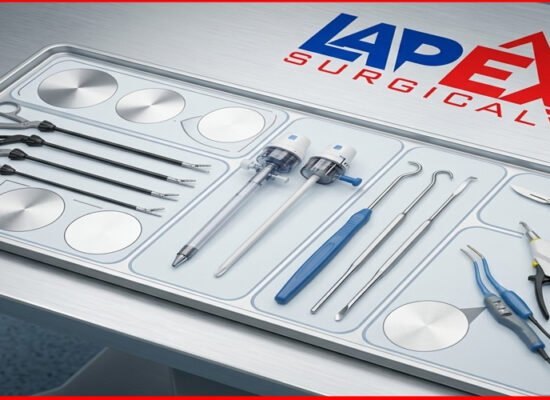
- The initial purchase of laparoscopic instruments represents a major capital outlay. A complete set can range from tens of thousands to hundreds of thousands of dollars, depending on the scope of procedures to be performed (general surgery, urology, gynecology, etc.) and the number of operating rooms to equip. This includes:
- Trocars and cannulas (ports of entry)
- Laparoscopes (cameras)
- Graspers, dissectors, scissors
- Energy devices (harmonic scalpels, electrosurgical units)
- Stapling devices
- Suction and irrigation systems
- Needle holders and suturing tools
- Retraction systems
Beyond the Instruments:
- The initial investment extends beyond the tools themselves:
- Video towers and monitors: Necessary for visualizing the surgical field.
- Insufflators: To create space in the abdomen.
- Storage solutions: Secure cabinets to protect valuable instruments.
Ongoing Operational Costs:
- These expenses continue throughout the lifespan of the laparoscopic program:
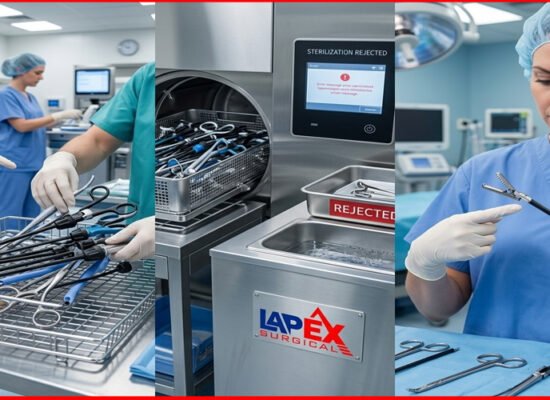
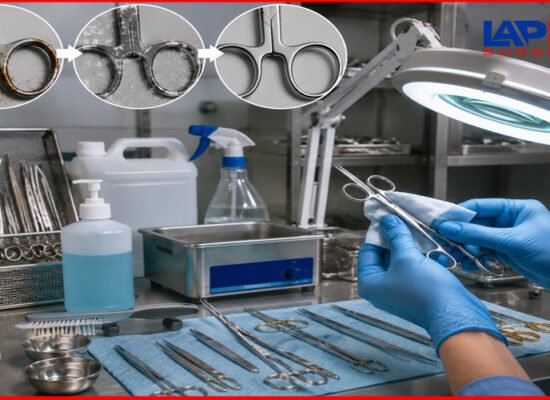
- Sterilization and maintenance: Reusable instruments require robust and costly sterilization processes and regular maintenance/repairs.
- Replacement costs: Instruments wear out over time.
- Training: Surgeons and staff need ongoing training.
- Disposables: Some procedures require disposable items like stapler cartridges or energy device tips, which add to per-case costs.
Return on Investment (ROI): Beyond the Bottom Line
While the initial costs can seem daunting, investing in laparoscopic instruments often yields a strong Return on Investment (ROI), both financially and in terms of patient care:
Increased Patient Volume:
- Hospitals offering minimally invasive surgery attract patients seeking the benefits of faster recovery and less pain. This can lead to increased patient volume and market share.
Shorter Hospital Stays:
- Laparoscopic procedures typically result in shorter hospital stays compared to open surgery, freeing up beds and reducing costs per patient.
Reduced Complication Rates:
- Studies often show lower complication rates (infection, hernias) with laparoscopic surgery, which can translate to reduced costs associated with managing those complications.
Enhanced Reputation:
- Offering cutting-edge, minimally invasive options enhances the hospital’s reputation and attracts top surgeons.
Long-Term Cost Savings:
- While initial costs are higher, the long-term savings from shorter stays and fewer complications can offset this, especially for high-volume procedures.
Choosing the Right Instruments: Quality, Durability, and Scope
Selecting laparoscopic instruments requires careful consideration of several factors:
Quality and Durability:
- Investing in high-quality instruments from reputable manufacturers is crucial. Durable instruments withstand repeated use and sterilization, leading to a longer lifespan and better ROI.
Scope of Procedures:
- The specific instruments needed will depend on the types of laparoscopic surgeries the hospital plans to offer (general surgery, urology, gynecology, etc.). A broader scope requires a larger and more varied instrument set.
Surgeon Preference:
- Input from surgeons is vital. Their comfort and familiarity with specific brands or instrument types can impact efficiency and outcomes.
Ergonomics:
- Instruments should be comfortable to handle for extended periods, reducing surgeon fatigue.
Compatibility:
- If the hospital uses or plans to use robotic-assisted surgery systems, instrument compatibility is essential.
The Reusable vs. Disposable Debate:
A critical decision involves choosing between reusable and disposable laparoscopic instruments, as discussed in previous articles.
Reusable:
- Higher upfront cost but lower per-case cost over time. Requires a robust and costly sterilization department.
Disposable:
- Higher per-case cost, but eliminates sterilization costs and guarantees sterility. Generates more medical waste.
A thorough cost-benefit analysis is essential, considering factors like procedure volume and the efficiency of the hospital’s sterile processing department.
Training and Support: A Crucial Investment
Investing in laparoscopic instruments is only half the equation. Surgeons and operating room staff need comprehensive training to use them effectively and safely.
Initial Training:
- Surgeons require specialized training in laparoscopic techniques, often through fellowships or dedicated courses.
Ongoing Support:
- Manufacturers should provide ongoing support, including instrument maintenance training and troubleshooting assistance.
Staff Education:
- Nurses and surgical technicians also need training to handle, clean, and sterilize laparoscopic instruments properly.
A Strategic Investment in the Future
Investing in laparoscopic instruments represents a significant but strategic decision for hospitals and surgical centers. While it involves a substantial upfront cost, the potential benefits in terms of patient care, increased volume, enhanced reputation, and long-term cost savings make it a worthwhile endeavor. By carefully considering the factors outlined in this guide – from financial planning and instrument selection to training and ongoing support – hospitals can make informed decisions that position them for success in the rapidly evolving landscape of modern surgery.
For more information, feel free to contact the Lapex Surgical support team.