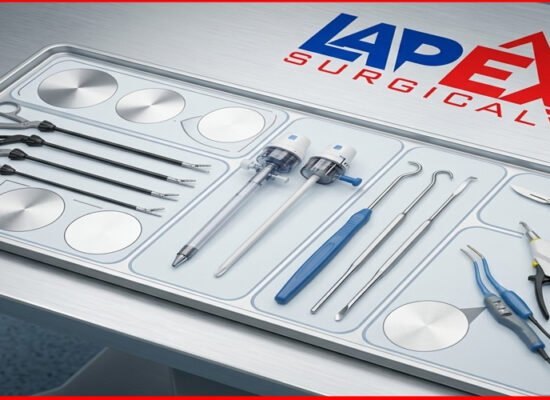
Laparoscopic surgery, a cornerstone of modern minimally invasive techniques, has revolutionized patient care by reducing recovery times, minimizing scarring, lowering complication risks, and giving Superior Outcomes. However, the success of these procedures hinges on the quality of the instruments used. High-quality tools enhance surgical precision and ensure patient safety and long-term cost efficiency. This article delves into the essential features of top-tier laparoscopic instruments and explains why they are vital for achieving superior outcomes.
Table of Contents
Toggle1. Material Durability: The Foundation of Reliability
The materials used in laparoscopic instruments directly impact their performance, longevity, Superior Outcomes, and safety.
Surgical-Grade Stainless Steel:
Renowned for its strength and corrosion resistance, surgical-grade stainless steel is a staple in instrument manufacturing. It maintains sharp edges (critical for scissors and dissectors) and withstands repeated sterilization cycles without degrading.Titanium Alloys:
Lightweight yet robust, titanium instruments reduce surgeon fatigue during lengthy procedures. Their biocompatibility and resistance to extreme temperatures make them ideal for specialized surgeries.Coatings and Enhancements:
Tungsten carbide coatings on jaws or blades enhance grip and durability. For example, needle holders with such coatings prevent suture slippage, ensuring secure suturing in delicate tissues.
Why It Matters:
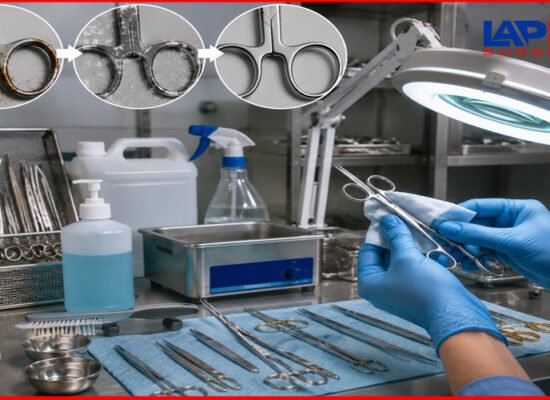
Inferior materials may corrode, warp, or dull quickly, increasing the risk of procedural errors. For instance, a rusted instrument could introduce pathogens into sterile fields, risking infections.
2. Ergonomic Design: Reducing Surgeon Fatigue
Laparoscopic procedures demand hours of focus and steady hands. Ergonomically designed instruments are critical for surgeon comfort and precision.
Handle Design:
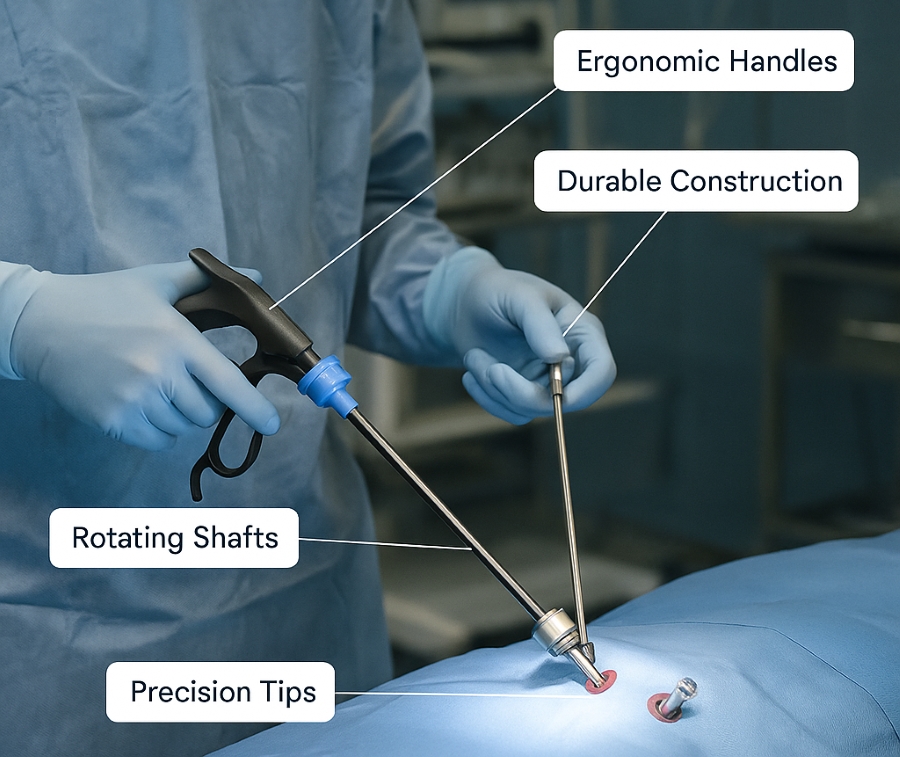
Pistol-grip handles provide superior control for tasks requiring force (e.g., tissue retraction), while straight handles suit fine motor skills (e.g., suturing). Textured, non-slip surfaces prevent hand slippage, even during prolonged use.Weight Distribution:
Balanced instruments minimize wrist strain. For example, a lightweight grasper with evenly distributed weight allows smoother manipulation in confined spaces.Adjustable Angles:
Instruments with adjustable shaft angles (e.g., 30° or 45°) reduce the need for awkward hand positions, lowering the risk of musculoskeletal injuries.
Case Study:
A 2022 study in the Journal of Minimally Invasive Surgery found that surgeons using ergonomic instruments reported 40% less hand fatigue, leading to fewer intraoperative errors.
3. Precision Engineering: Micrometer-Level Accuracy
Precision is non-negotiable in laparoscopy, where surgeons operate through tiny incisions.
Tip Design:
Micro-instrument tips (as small as 3mm) enable access to hard-to-reach areas. For example, Maryland dissectors with serrated jaws provide precise tissue grasping without tearing.Rotation and Flexibility:
360-degree rotating instruments allow surgeons to navigate complex anatomies effortlessly. Minimal tip deflection (movement under pressure) ensures stability during critical maneuvers.Locking Mechanisms:
Secure locking features in graspers or scissors prevent accidental slippage, vital during high-stakes steps like vessel ligation.
Innovation Spotlight:
Some brands now integrate robotic-assisted technology with laparoscopic tools, offering sub-millimeter precision for procedures like nerve-sparing prostatectomies.
4. Versatility: Adapting to Diverse Procedures
A versatile instrument suite reduces the need for frequent tool changes, saving time and lowering costs.
Modular Systems:
Interchangeable tips (e.g., blunt dissectors, biopsy forceps) allow a single instrument to perform multiple functions. This is particularly useful in bariatric or colorectal surgeries, where varied tissue types are encountered.Multi-Functional Tools:
Advanced devices combine tasks—like a grasper with integrated cautery—to streamline workflows.
Cost Efficiency:
A hospital in Germany reported a 25% reduction in OR time after adopting modular instruments, translating to annual savings of €150,000.
5. Sterilization Compatibility: Ensuring Infection Control
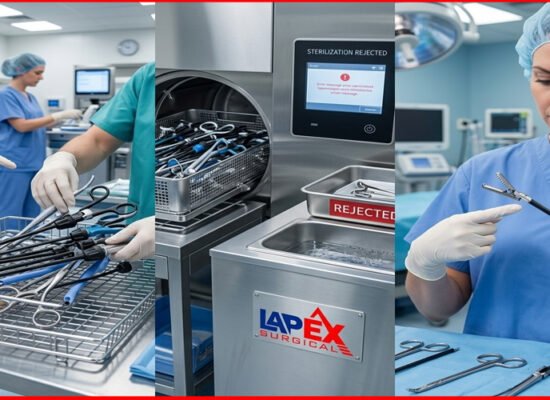
Reusable instruments must endure rigorous sterilization without compromising integrity.
Autoclave Resistance:
High-quality instruments tolerate repeated autoclaving (up to 134°C) without developing microcracks or corrosion.Single-Use Alternatives:
For high-infection-risk cases, single-use tools eliminate cross-contamination concerns. However, reusable instruments remain cost-effective for high-volume facilities.
Certifications to Check:
Ensure instruments comply with ISO 13485 (medical device quality management) and FDA guidelines.
6. Brand Reputation and After-Sales Support
Trustworthy manufacturers provide warranties, repair services, and training.
Top Brands:
Companies like Lapex Surgical, Karl Storz, Stryker, and Olympus are known for rigorous testing and innovation.Customer Support:
24/7 technical assistance and loaner programs minimize downtime during repairs.
7. Cost Considerations: Balancing Investment and Value
While high-quality instruments have higher upfront costs, they offer long-term savings by reducing replacements and complications.
Example:
A $500 titanium grasper may last 10 years, whereas a $200 stainless steel alternative might need replacement annually, costing more over time.
Impact on Surgical Outcomes
- Reduced Complications:
Sharp, reliable tools minimize tissue trauma, lowering infection and bleeding risks. - Faster OR Turnaround:
Efficient instruments shorten procedure times, increasing hospital throughput. - Enhanced Patient Satisfaction:
Smoother recoveries and fewer revisions boost patient trust.
Investing in high-quality laparoscopic instruments is a strategic decision that enhances surgical precision, patient safety, and operational efficiency. By prioritizing material integrity, ergonomic design, and versatility, healthcare providers can achieve superior outcomes while optimizing long-term costs. Stay ahead in the evolving landscape of minimally invasive surgery by choosing tools that meet the highest standards of innovation and reliability.
Frequently Asked Questions
How often should instruments be serviced?
Every 6–12 months, depending on usage. High-volume facilities may need more frequent checks.
Are single-use instruments better for infection control?
They eliminate sterilization errors but generate waste. Reusable tools are eco-friendly if properly maintained.
Can poor instrument quality lead to legal risks?
Yes. Malpractice claims may arise from complications caused by faulty tools.
How to test instrument precision before purchase?
Request demos or inspect tip deflection under load during trials.